Last updated November 22, 2026
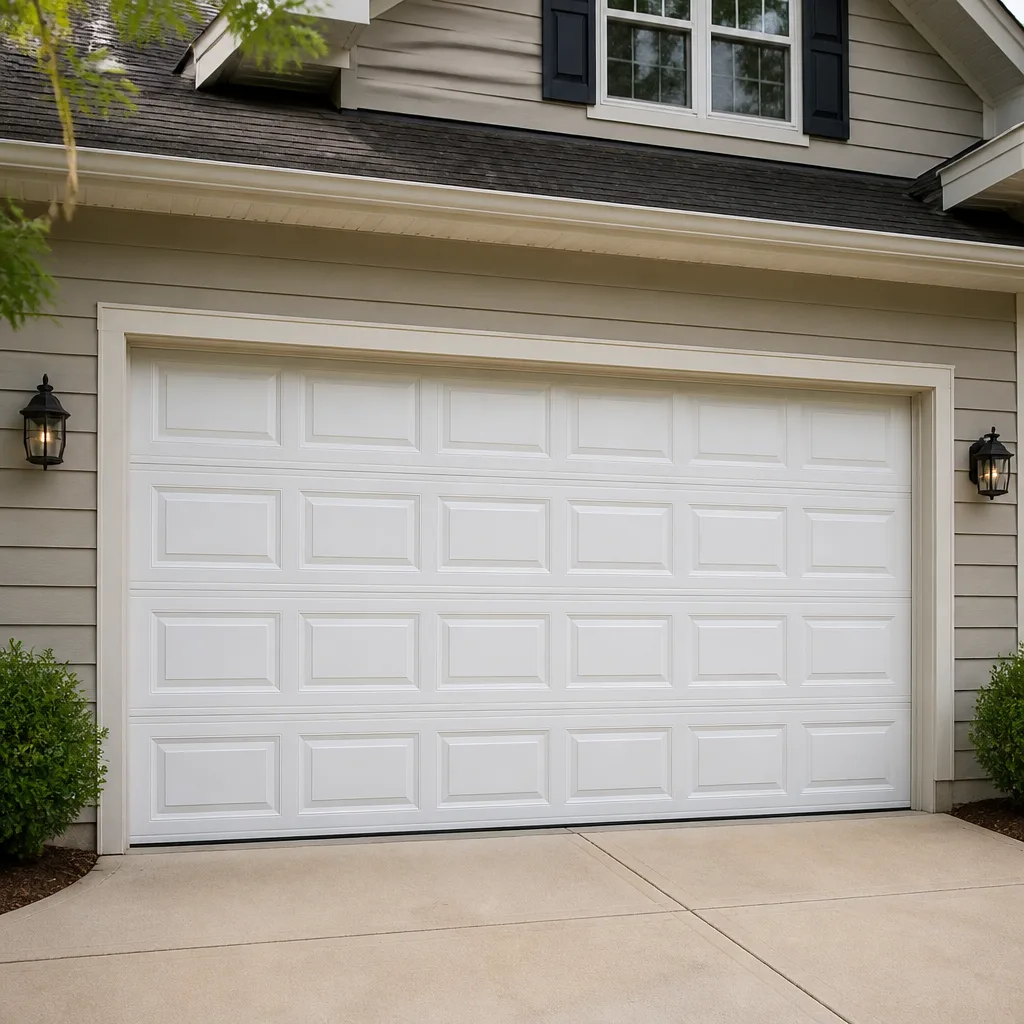 Raised-panel steel
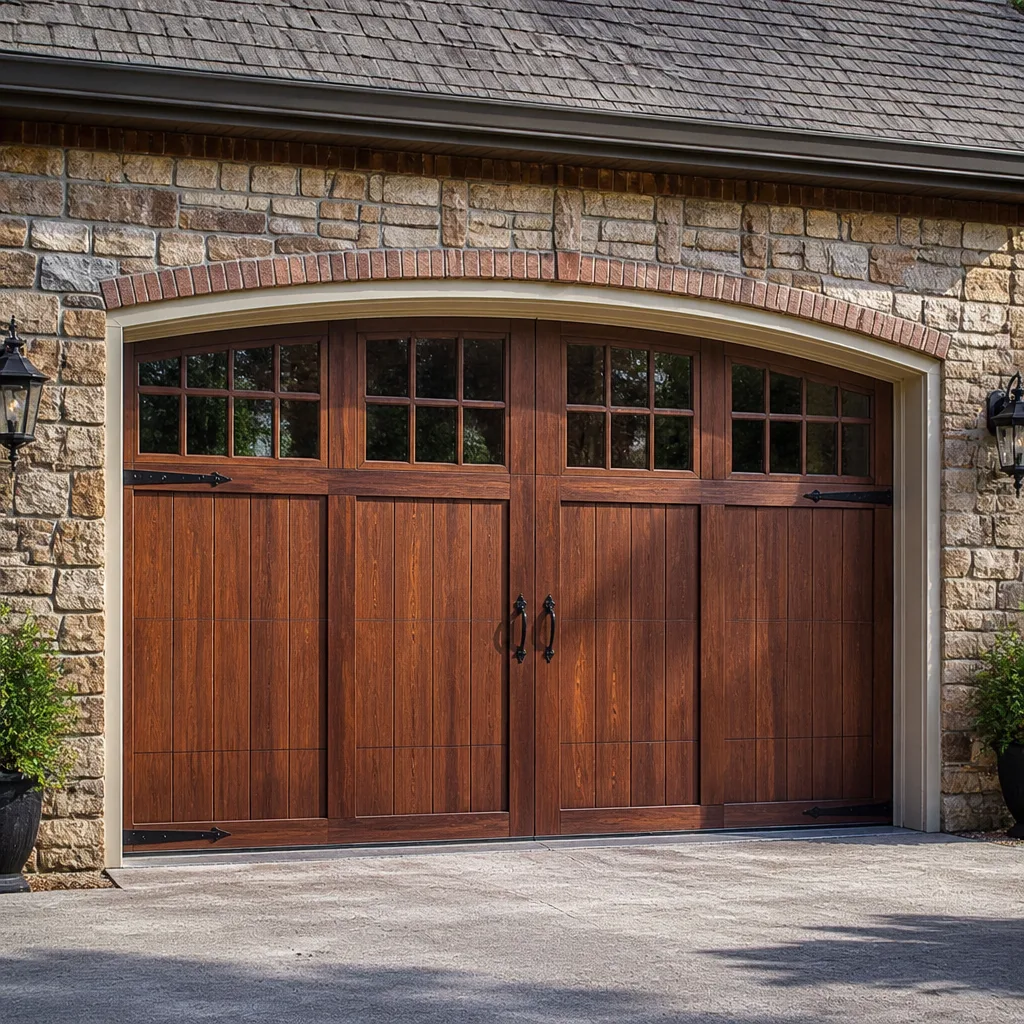 Carriage house
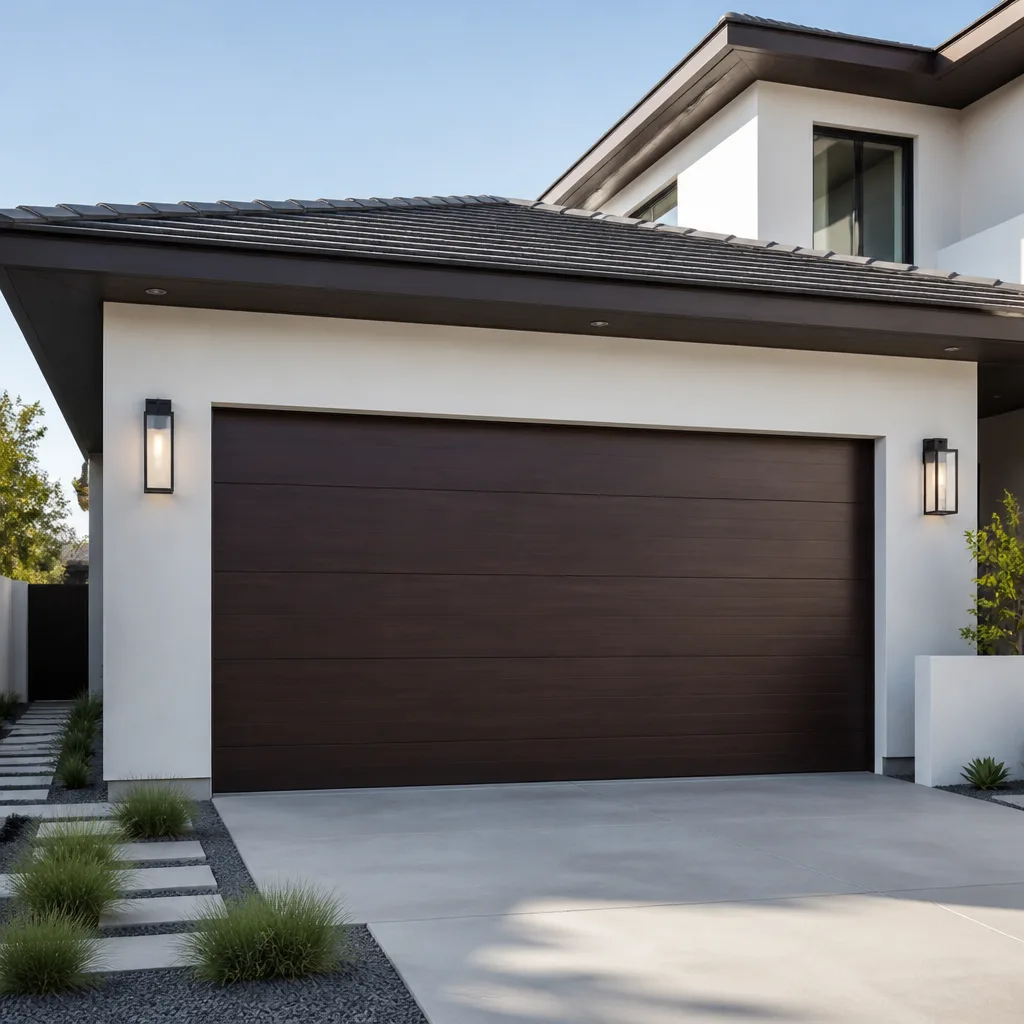 Modern flush
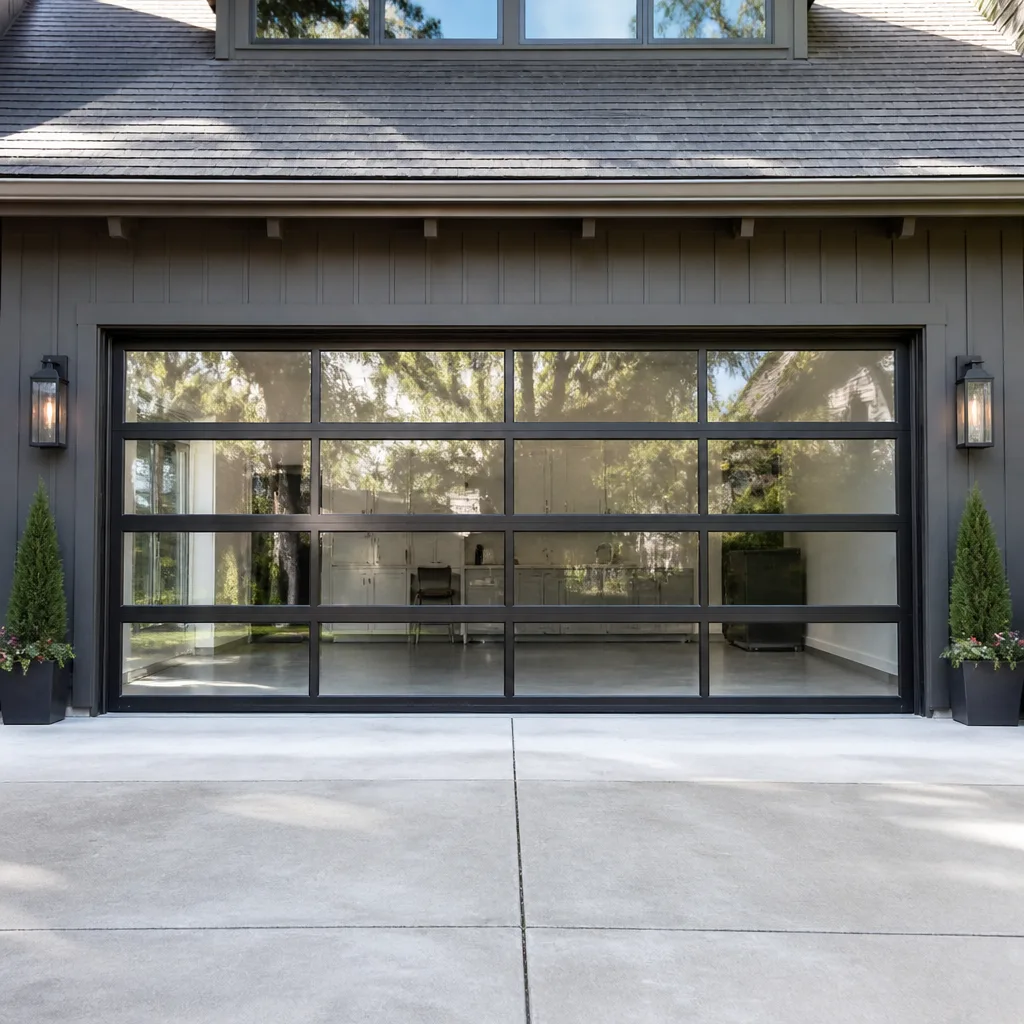 Full-view glass
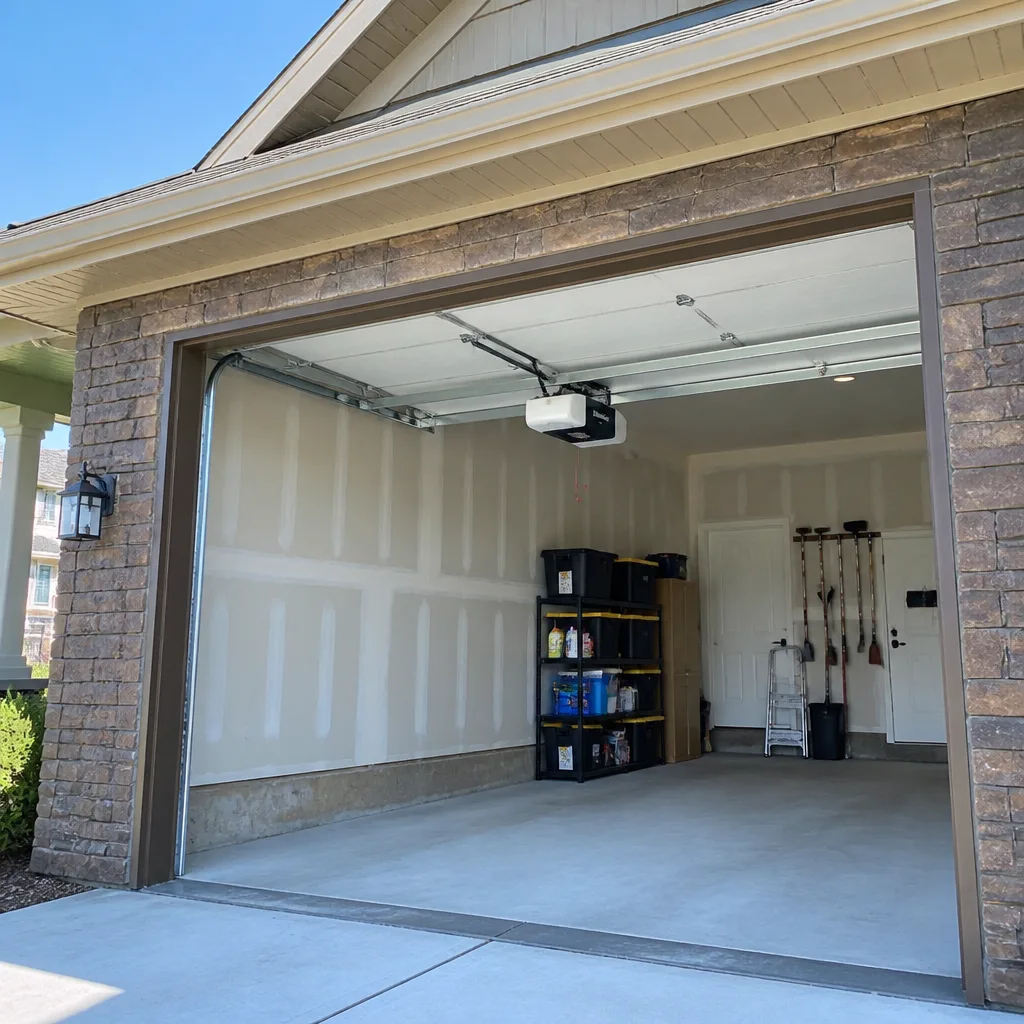 LiftMaster openers
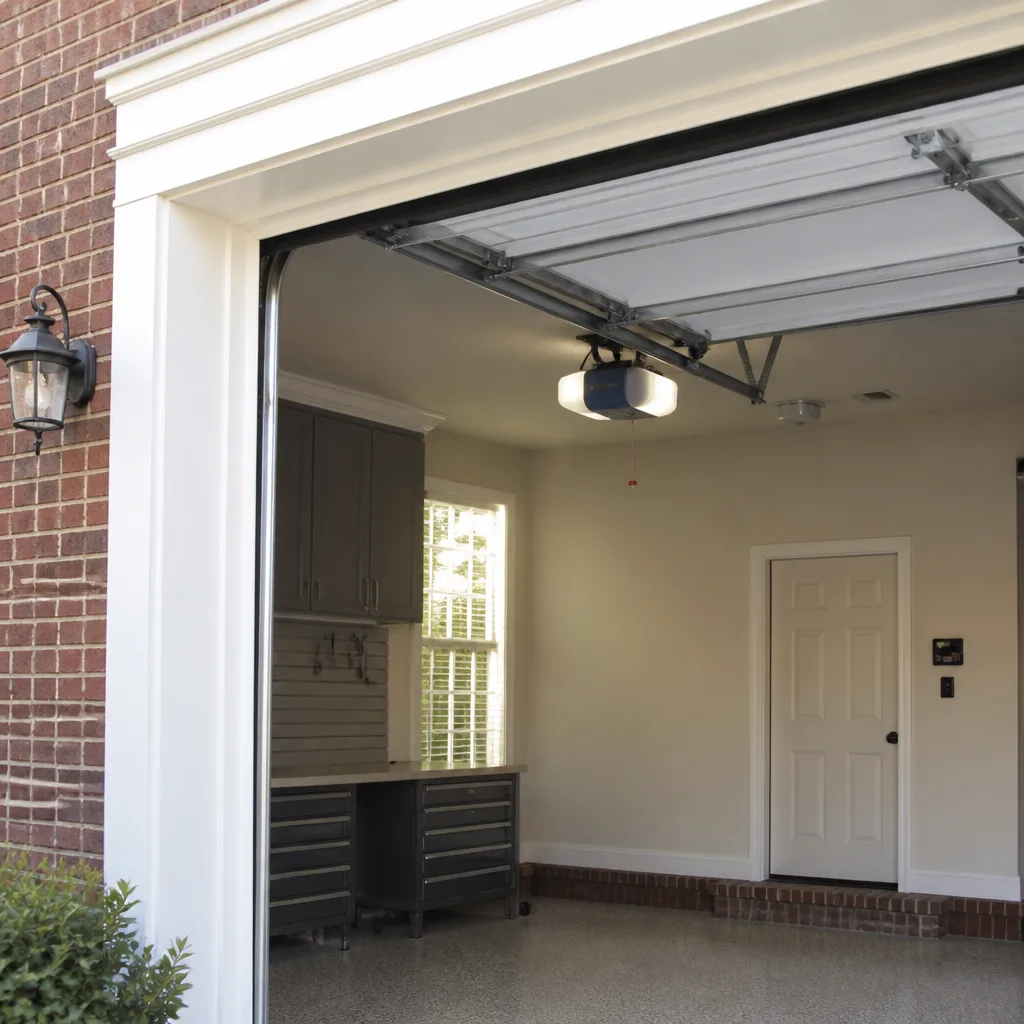 Chamberlain openers
Full 25-point door and opener safety check with every visit - springs, cables, rollers, tracks, and your LiftMaster or Chamberlain opener included
You get a price before we start. It does not change when the pro arrives.
Get your free estimateDIY vs Professional Garage Door: The Newport News Homeowner’s Decision Guide
Most DIY-versus-pro advice for garage doors gets the line wrong. It splits tasks by difficulty, as if the only question were whether you’re handy enough. The real dividing line is risk: some garage door jobs punish a small mistake with a broken panel, and some punish it with a trip to the emergency room or a voided warranty. Spring work sends roughly 20,000 Americans to the ER each year, and the tutorials that cause most of those visits make the job look easier than it is. In this guide we draw the line where it actually belongs for a Newport News homeowner, task by task, so you know what’s safe to handle and what isn’t.
Styles & brands we work with
- Raised-panel steel
- Carriage house
- Modern flush
- Full-view glass
- LiftMaster openers
- Chamberlain openers
Quick Answer
Safe DIY garage door work is limited to cleaning, lubricating, balancing a door by hand, and tightening hardware with the right tools. Everything involving torsion or extension springs, cables, bottom brackets, and opener wiring should go to a trained professional. For Newport News homes, older housing stock with non-standard openings and older electrical panels tilts more of the list toward professional work, not less.
Table of Contents
- Where the DIY Line Actually Falls in Newport News
- The Task-by-Task Breakdown: Safe DIY vs. Professional Only
- The Tools You Need (and the Signal You Should Stop)
- Why DIY Opener Installation Can Void a Warranty and Your Insurance Coverage
- Real Cost Comparison: DIY vs. Professional for the Five Most Common Jobs
- How Newport News Housing Stock Shifts the DIY Calculus
- What Our Summers, Storms, and Humidity Do to the Decision
- Common Mistakes to Avoid
- When to Call a Professional
- Frequently Asked Questions
- The Bottom Line
Where the DIY Line Actually Falls in Newport News
The garage door world splits into two very different categories of work. One category involves low stored energy and slow-moving parts: rollers, hinges, lubrication, weatherstripping, photo-eye alignment. The other category involves components under hundreds of pounds of tension, held in place by hardware that can release that energy in a fraction of a second. In our experience the DIY line sits between those two categories, not inside either one.
Here’s the part most online guides skip. A standard torsion spring stores enough energy to seriously injure an adult in under a second, and it does so without warning right up until the moment it lets go. Extension springs on older doors carry similar energy and don’t always have the safety cables that would contain them. Neither failure is a matter of skill. A professional with 9 years on the job has just as much energy in that spring as you do. The difference is that the professional knows exactly where to stand, how to release tension in a controlled way, and what to do when a winding bar slips.
For Newport News homeowners, this distinction matters because much of the housing stock was built across several decades, and many doors don’t match a current catalog opening. Non-standard widths and heights mean one-size-fits-all replacement parts sometimes don’t fit, and that adds risk to a project that was already risky. We work on the brand you have whether it’s an Amarr, Wayne Dalton, Craftsman, or Raynor door, and part of the value of a specialist visit is confirming what’s actually on the wall before anyone touches a spring.
The Task-by-Task Breakdown: Safe DIY vs. Professional Only
Here’s the honest breakdown. The list is short on purpose. A competently maintained garage door is one where the homeowner handles the routine items and calls on the rest.
Safe for a competent homeowner
- Lubricating hinges, rollers, and tracks. A few drops of garage door lubricant on hinge pins and a light application on roller stems keeps things quiet. Don’t grease the tracks themselves; the door’s rollers need friction to stay aligned.
- Visual inspection. Look for fraying cables, a bent track, worn rollers, or a spring with an obvious gap. You’re not fixing these. You’re noticing them.
- Tightening hinge and bracket bolts. A simple socket set and a careful eye. Don’t over-torque, and never touch the spring-bracket or bottom-bracket hardware.
- Balancing test by hand. With the opener disconnected, lift the door halfway and let go. If it stays put, the door is balanced. If it drops or rises on its own, the springs are off and it’s time for a call.
- Replacing weatherstripping and bottom seals. Straightforward and safe once the door is fully open and the opener is disconnected.
- Replacing a battery and re-pairing a remote or keypad. Brand-specific but simple, and covered in the manual.
- Realigning a photo eye. If the door reverses for no reason, check for a misaligned or blocked sensor before you assume the worst.
Professional only
- Any spring replacement or adjustment, torsion or extension. High-tension work, and the single most dangerous garage door job there is.
- Cable replacement. Cables are under tension too, and a snapped cable whips with force.
- Bottom bracket work. The bottom bracket holds cable tension on one end and is notoriously unforgiving.
- Track replacement. Tracks are heavy, must be plumb and level, and misalignment can send a door off the rails.
- Panel replacement. Sections weigh far more than a homeowner expects and are unforgiving on installation tolerances.
- Opener wiring and installation. Electrical code, warranty terms, and insurance all come into play here.
- Anything involving a door off its tracks. If the door is leaning or crooked, don’t try to force it back. Call.
If you’re reading that second list and thinking some of it looks doable, you’re not wrong about the difficulty. You’re wrong about the risk. Springs aren’t a DIY fix, and neither are cables, brackets, or a door that’s suddenly out of alignment. If you’re facing any of them, our garage door repair team in Newport News can look at it and tell you exactly what it needs.
The Tools You Need (and the Signal You Should Stop)
Garage door work uses a small set of tools for the safe tasks and a very specific set for the dangerous ones. If you look at the professional tool list and it’s all gear that isn’t in your garage, that’s your answer. It’s not a challenge. It’s a stop sign.
The homeowner’s tool list
- A socket set (quarter-inch and three-eighths drive)
- A screwdriver set, including a small flathead for photo-eye adjustment
- Garage door lubricant (not general-purpose grease)
- A stepladder tall enough to reach the opener rail safely
- Work gloves and safety glasses
- Your door’s manual, which lists the exact part numbers and specs for your model
The professional tool list, for reference
- Winding bars sized correctly for the spring diameter (not screwdrivers, never anything improvised)
- A torsion spring scale
- C-clamps and locking pliers rated for the door’s weight
- Cable pullers and a cable tension gauge
- A drill with the correct bit set for the door’s brackets
- Voltage tester and code-compliant wiring supplies
If you don’t own winding bars, don’t use a substitute. The bars exist because they let you release spring tension in a controlled way. Screwdrivers and pins slip. When they slip, the spring unwinds and whatever’s in its way doesn’t win. The same holds for C-clamps: they exist to lock the door in place while tension comes off, and an unlocked door can move mid-job.
Here’s the signal to stop and call: any moment you find yourself improvising a tool for spring, cable, or bracket work. You haven’t saved money. You’ve added a variable to a job where variables hurt people. When the door won’t move, we do. Call (855) 633-7752 and we’ll get eyes on it. Our technicians have up to 9 years of experience, and spring work is treated as a safety-priority specialty, not a routine line item.
Why DIY Opener Installation Can Void a Warranty and Your Insurance Coverage
An opener installation looks like the friendliest DIY job on the whole garage door. The unit comes in a box with a manual, the mounting hardware is included, and the wiring is usually stapled to a joist and run to an outlet above the door. Easy, right? The catch is that half the install isn’t the opener. It’s the electrical circuit behind it, and that’s where DIY quietly becomes a problem.
Manufacturers specify installation conditions in their manuals. Wire a LiftMaster, Chamberlain, Genie, or Craftsman opener incorrectly and the manufacturer can deny a warranty claim on the grounds that the install wasn’t to their spec. Homeowner’s insurance policies typically require electrical work to meet the local electrical code. If your wiring doesn’t meet code, a subsequent claim related to the opener or the door could run into coverage questions. This is one of the few areas where the downside isn’t a broken part. It’s an exclusion on your policy. Most cities require a permit for alterations to permanent wiring, and Newport News is no exception. Ask the city’s building department if you’re unsure what’s required for the circuit feeding your opener.
There’s a second reason opener installs go wrong in Newport News homes in particular. Older electrical panels in older houses may not have a suitably dedicated circuit available above the garage door, or they may have a panel at capacity. That means tearing into the wiring can quickly turn into a panel conversation, and that conversation is one for a licensed electrician working alongside your garage door technician.
The rest of the opener install is a set of specific physical calibrations: rail height, bracket placement, maximum lift force, and door balance. If a straight-arm bracket is mounted at the wrong height, the opener fights the door every cycle. If the force limits are set too high, the opener stops responding to obstruction. If they’re set too low, the door reverses on a cold morning. Our garage door opener repair team handles LiftMaster, Chamberlain, Genie and Craftsman units and we can service the door and the opener on the same visit when both need attention.
Real Cost Comparison: DIY vs. Professional for the Five Most Common Jobs
Cost comparisons in the garage door business go wrong almost every time because they forget the three pieces homeowners actually pay for: parts, time, and risk. Here’s a fair accounting for the five jobs we see most often. All prices are typical estimated ranges, and the written estimate sets the final price.
| Job | DIY cost (parts + time + risk) | Typical professional cost |
|---|---|---|
| Torsion spring replacement, one spring | Spring $40-$80; winding bars $20-$40; injury risk is high; no warranty on the work | $180-$340 for one spring; a matched pair is usually replaced together at roughly twice that |
| Opener replacement | Unit $150-$400 plus wiring materials; warranty risk if not installed to spec; code and permit questions | $300-$700 including install, calibration, and warranty confirmation |
| Roller and hinge replacement | Rollers $20-$50; hand tools you probably own; safe for a careful homeowner | $120-$220 for a full rollout |
| Weatherstripping and bottom seal | Seal $15-$40; a stepladder and a few fasteners; safe | $120-$250 installed |
| Track realignment or panel replacement | Parts $60-$400 depending on what’s bent; track work is heavy and misalignment-prone; high risk | $180-$400 for a track; $250-$600 per panel |
Look at the spring row again. The DIY parts cost is real, and it’s small. The risk is not small. A single slip on a winding bar is enough to turn a $120 saving into an ER visit and a damaged door, and no spring you install yourself comes with a warranty on the labor. On the other four rows, your time is worth more than the difference, and I’d say that even if we didn’t do this work. Most homeowners making a careful comparison come out ahead with a pro on anything involving springs, tracks, or an opener.
If you’d like a specific number on your door, call (855) 633-7752 for a free estimate. The price is quoted and agreed before any work starts, and the written estimate is the final price.
How Newport News Housing Stock Shifts the DIY Calculus
Newport News is an old city, and its housing stock reflects it. Homes in Denbigh and Hidenwood, along the older corridors near the shipyard, and in nearby Hilton Village all date from very different construction eras. That matters for garage door work in three specific ways.
First, opening sizes. Older garages were often built to widths that don’t match current catalog standards. A door measuring a common nominal sixe may still be a quarter-inch off, and a door measuring an odd width may need a custom panel. That’s the kind of fit you don’t discover until you’re trying to install a part you ordered online. A professional measures the actual opening with the door on the wall, not the door spec sheet.
Second, electrical service. Older homes sometimes still carry a panel that predates air conditioning or modern code updates. If you’re replacing an opener, the circuit feeding it may not have the capacity or the ground you’d want. That’s a call to an electrician, and it’s the kind of thing a garage door technician spots on the way to the opener.
Third, spring and cable condition. An older door that hasn’t been serviced in years may have springs that look intact but are far past their rated cycle life, and cables that are visibly fraying where they meet the drum. Those are exactly the components a homeowner should not handle. In our experience the older the install, the more of the job belongs to a professional.
On newer homes out in the newer subdivisions, the picture changes. Standard openings, newer electrical service, and doors still under original warranty mean more of the routine maintenance is genuinely safe for a careful homeowner. The task-by-task list above doesn’t change, but the odds of running into a nasty surprise with a can of lubricant do.
What Our Summers, Storms, and Humidity Do to the Decision
The Peninsula gets hot, humid summers and a hurricane season that can bring wind and water through garages in low-lying areas. That combination has a real effect on which garage door jobs become urgent and which ones can wait for a scheduled visit.
Heat and humidity work on springs the same way they work on old doors and hardware. A spring that was replaced correctly and is still well within its expected life can sit quiet for months and then fail on the first really hot day of summer. That’s not a coincidence. Metal expands, grease thins, and old hinges get sloppy. When a spring fails, the door very quickly becomes unusable, and getting it open and the car out is a safety concern. That’s why emergency garage door service is part of what we do, not an add-on. If the door won’t move, call and we’ll book you for a same-day visit.
Scheduled replacement work is a different timetable. A new door, a new opener, or a full track replacement requires a measure, a specific part, and a scheduled install. Those are not same-day jobs, and any contractor who promises otherwise for a full replacement should raise a question in your mind. The honest sequence for that work is a free measure, a written price, and a scheduled install. For garage door installation in Newport News, that’s exactly the flow we run.
Wind is the other local factor. After a strong storm comes through, the common calls are bent tracks from a door that took a shove, doors off their rollers, and panels that leaked along the bottom. If your door is visibly crooked after a storm, don’t force it. A stuck door that gets forced tends to bend something else on the way to opening.
Common Mistakes to Avoid
- Trusting a video over the warning label. The spring label on your door isn’t a suggestion. If the label says “professional only,” that’s the answer, and no home repair channel knows more about your specific spring than the manufacturer does.
- Using screwdrivers or pliers as winding bars. They slip. When they slip, the spring takes over. This is the single most common cause of DIY garage door injuries, and it’s entirely preventable.
- Replacing one spring when the pair is ready to fail. Springs manufactured together wear together. Replacing only one means you’ll be doing the job again very soon, usually with a bent door and extra damage on the second try. A matched pair is typically replaced together.
- Ordering parts by door size instead of by opening. Newport News garages, especially older ones in Denbigh and Hidenwood, often don’t match catalog openings. Measure the actual opening, not the door width.
- Greasing the tracks. Tracks are supposed to stay clean and dry. Grease collects grit and pulls rollers out of alignment, which is the opposite of what you want.
- Disconnecting the opener and forgetting to reconnect it. After any manual test, reconnect the carriage and run a full open-close cycle to confirm the door is balanced before you rely on it.
- Wiring an opener without a permit or an electrician. The circuit behind a new opener has to meet code. If your panel isn’t up to it, that’s an electrician’s job, and getting it wrong can jeopardize both the manufacturer warranty and your insurance coverage.
- Ignoring a bent track. A bend you can see from across the room is a misalignment that will eventually put a door on the floor. Call before it does.
When to Call a Professional
Call a professional for any of the following, and don’t try to work around them. Springs are the top of the list, followed by cables, bottom brackets, tracks, door panels that need replacing, and opener wiring. Any door that’s off its tracks or visibly crooked is a call, not a project. Any door that reverses for no reason, moves roughly, or makes a new noise on opening is worth a visit. Any opener that beeps, resets, or stops responding after a storm is worth diagnosing by brand rather than guesswork, since the failure mode on a LiftMaster unit isn’t the same as on a Genie or Craftsman.
Newport News Garage Door Repair Co offers free estimates in Newport News, and you can reach us at (855) 633-7752. We’ll tell you honestly whether the job is a repair or a replacement, and if there’s a safe amount of it you can do yourself, we’ll say so. Repair first, replace only when necessary is how we operate. The Newport News Garage Door Repair Co team covers the full service range, from repair and opener repair to spring replacement and new installation, on everything from an older Raynor door to a modern Wi-Fi opener.
Frequently Asked Questions
No. Torsion and extension springs are under hundreds of pounds of tension, and releasing that tension incorrectly can cause serious injury in under a second. The tools exist, but the training behind them is what makes them safe. Call (855) 633-7752 for a free estimate and we’ll quote the spring job before any work starts.
Typical estimated costs run $180-$340 for one torsion spring, and a matched pair is usually replaced together at roughly twice that. The written estimate sets the final price, quoted before any work starts. Call (855) 633-7752 for an exact quote; estimates are free.
Not on the dangerous jobs. Once you add the parts, the tools you have to buy, the labor, and the risk of injury or a bent door, professional work is usually the cheaper path on springs, tracks, cables, and opener installs. On the safe tasks like lubrication and weatherstripping, DIY wins on cost.
It’s possible, but the wiring side is a real problem in older homes. The circuit feeding the opener has to meet the local electrical code, and if the panel isn’t up to it, the job needs an electrician. Getting the install wrong can void the manufacturer warranty and complicate an insurance claim. Call (855) 633-7752 if you’d like an honest read on your specific situation.
Usually the photo-eye sensor or the opener’s force limit, and both are within reach for a careful homeowner. Check for a misaligned sensor or an obstruction first, and check the manual’s reset steps. If the door still reverses, call (855) 633-7752 and we’ll diagnose it.
The local professionals we connect you with are licensed and insured as their state requires, and our technicians have up to 9 years of experience. If you have a warranty question before work starts, ask on the call and we’ll answer it. Call (855) 633-7752 to schedule a free estimate.
The Bottom Line
Most garage door maintenance is genuinely safe for a careful homeowner: lubrication, inspection, weatherstripping, and the balancing test. Everything touching springs, cables, brackets, tracks, or opener wiring belongs with a professional, and the reason is risk, not skill. In Newport News, older housing stock and older electrical service make the professional side of the line a little larger, not smaller. If you’re unsure where a specific job falls, call us. We’ll be straight with you about what’s a repair and what’s safe to handle yourself, and the free estimate will tell you exactly what the job would cost.
Call (855) 633-7752 for a free estimate on any garage door repair, spring job, opener issue, or installation in Newport News. We work on the brand you already have, we handle springs as the safety-priority work they are, and when the door won’t move, we do.
Written by the team at Newport News Garage Door Repair Co.
See the difference
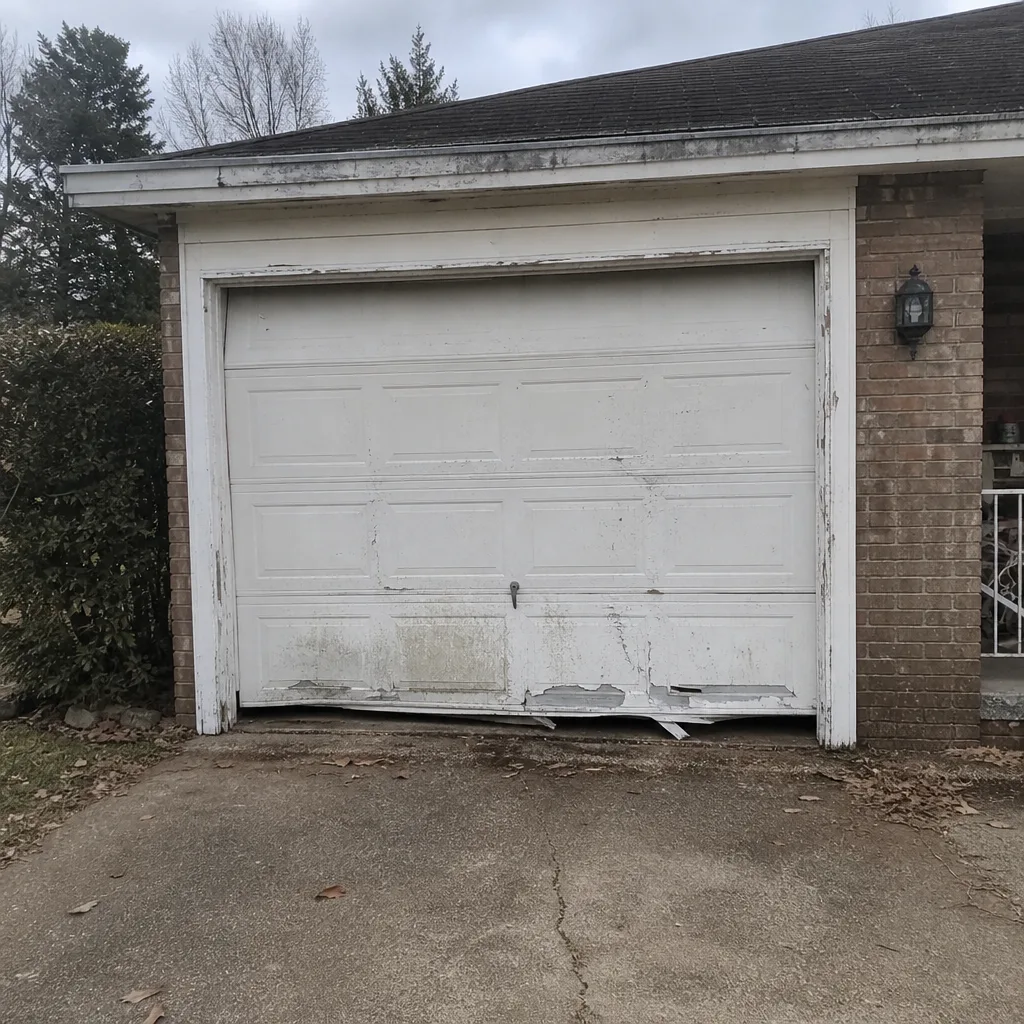 Before
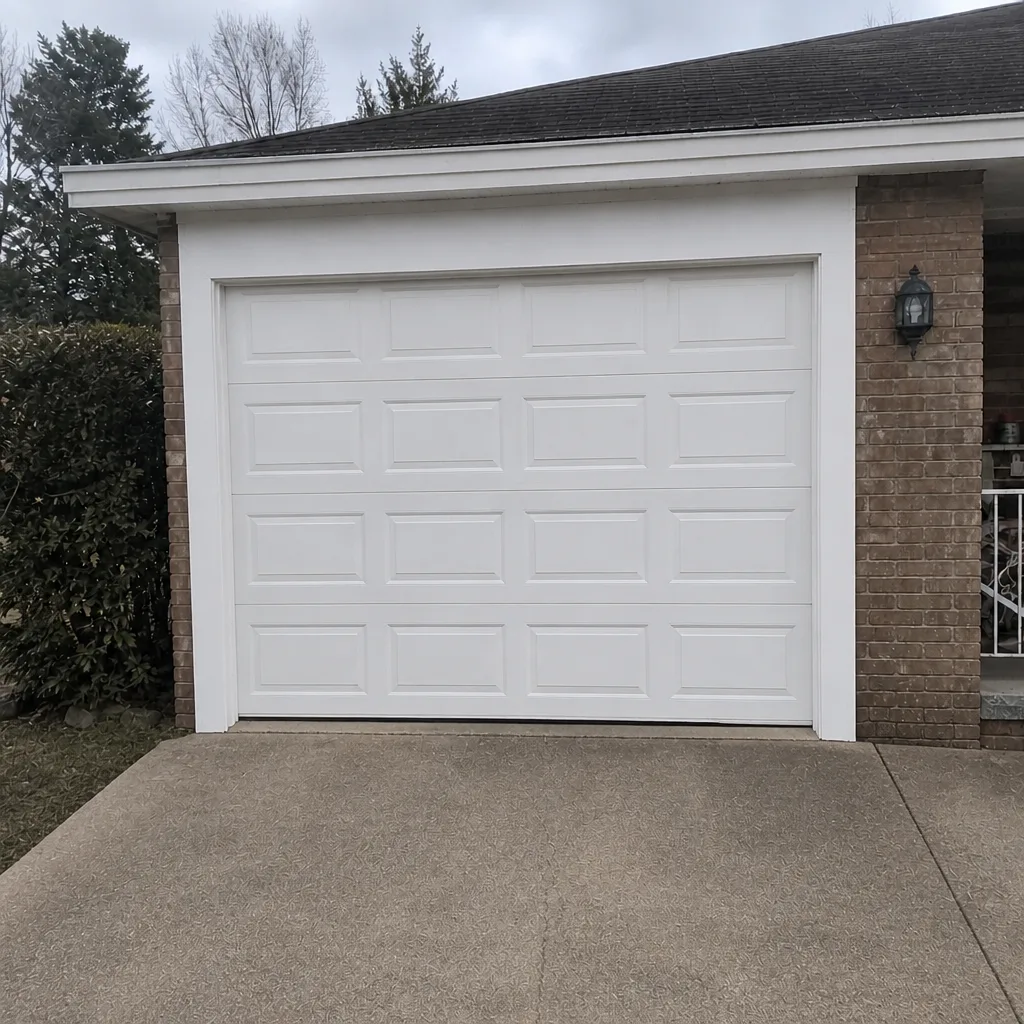 After
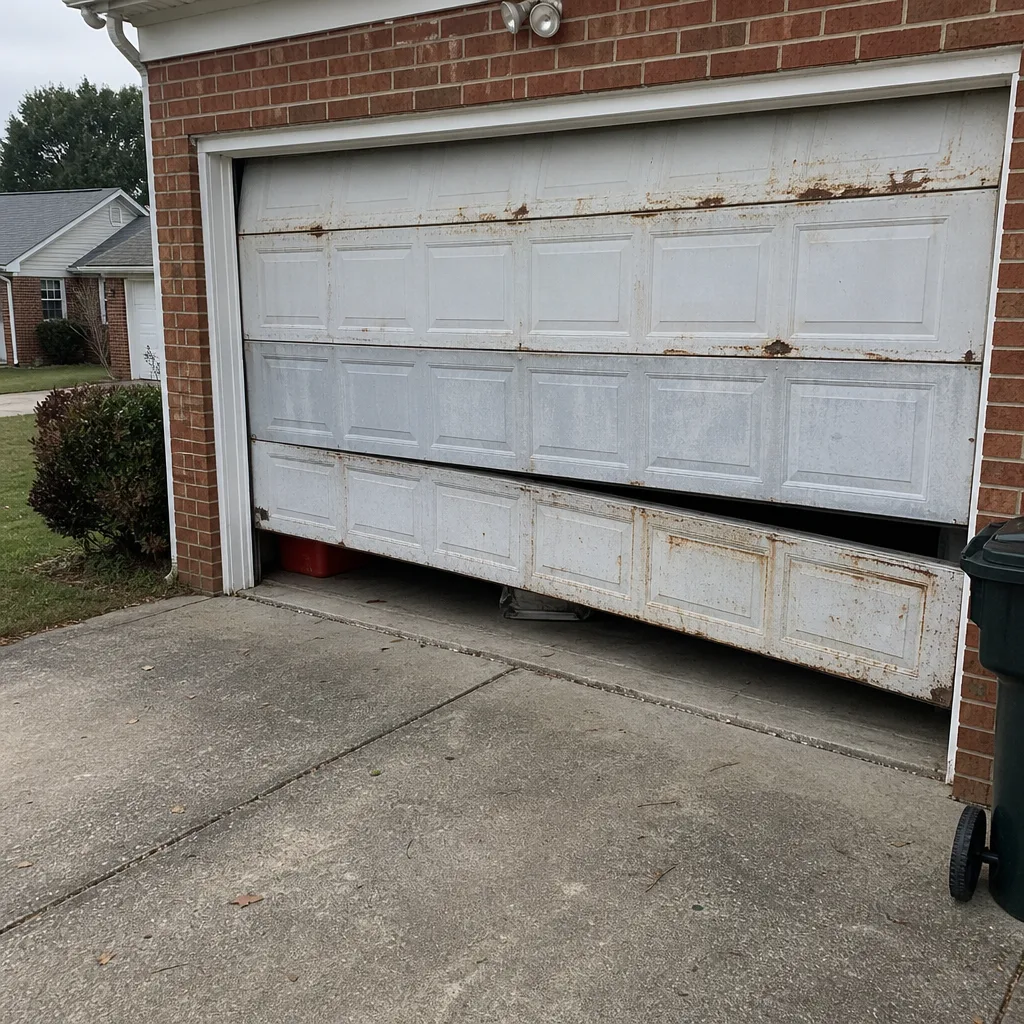 Before
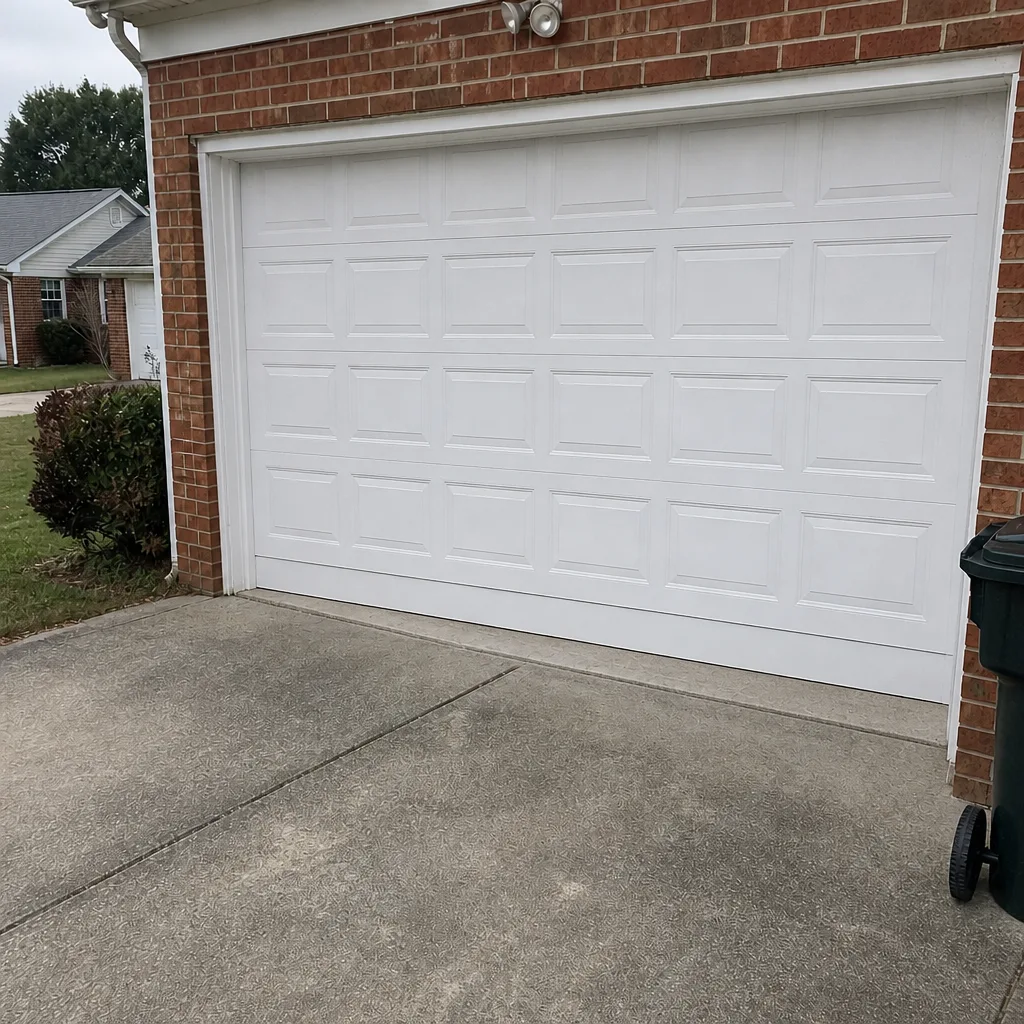 After
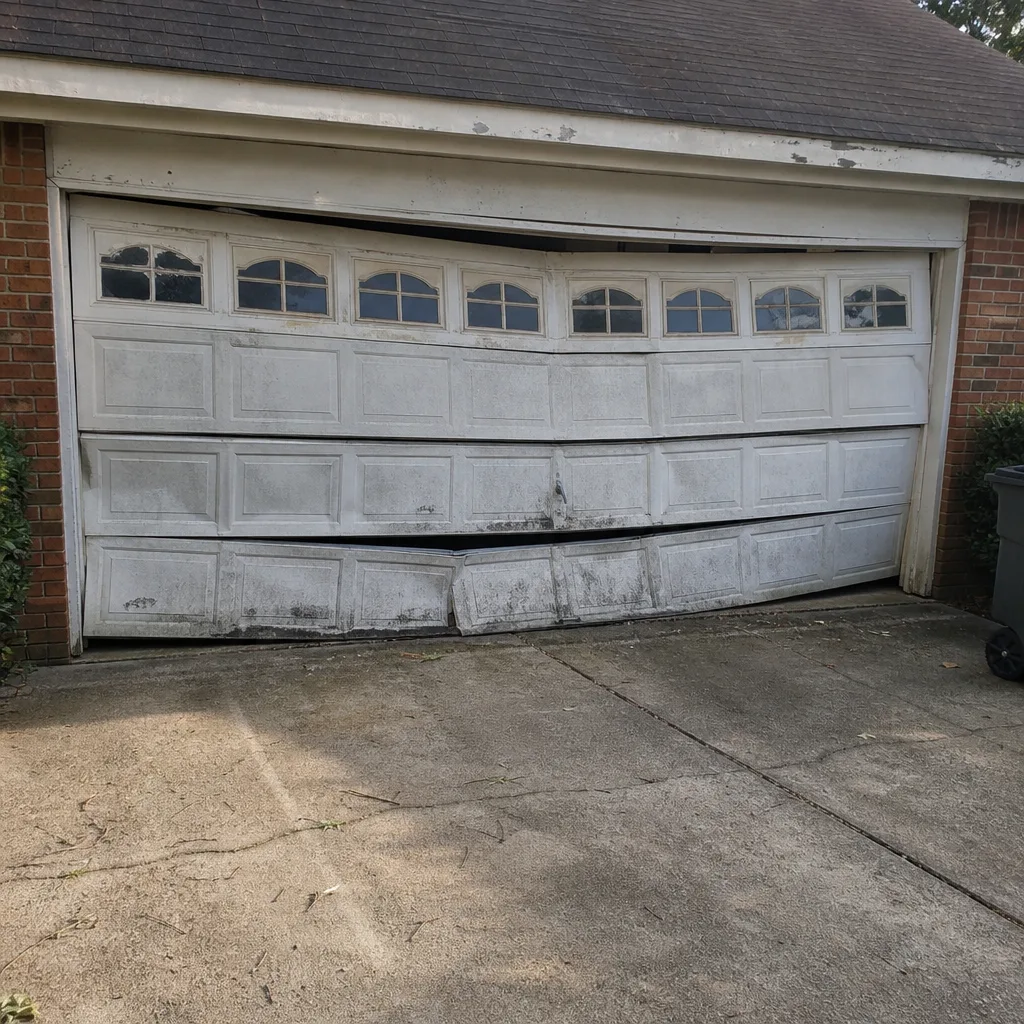 Before
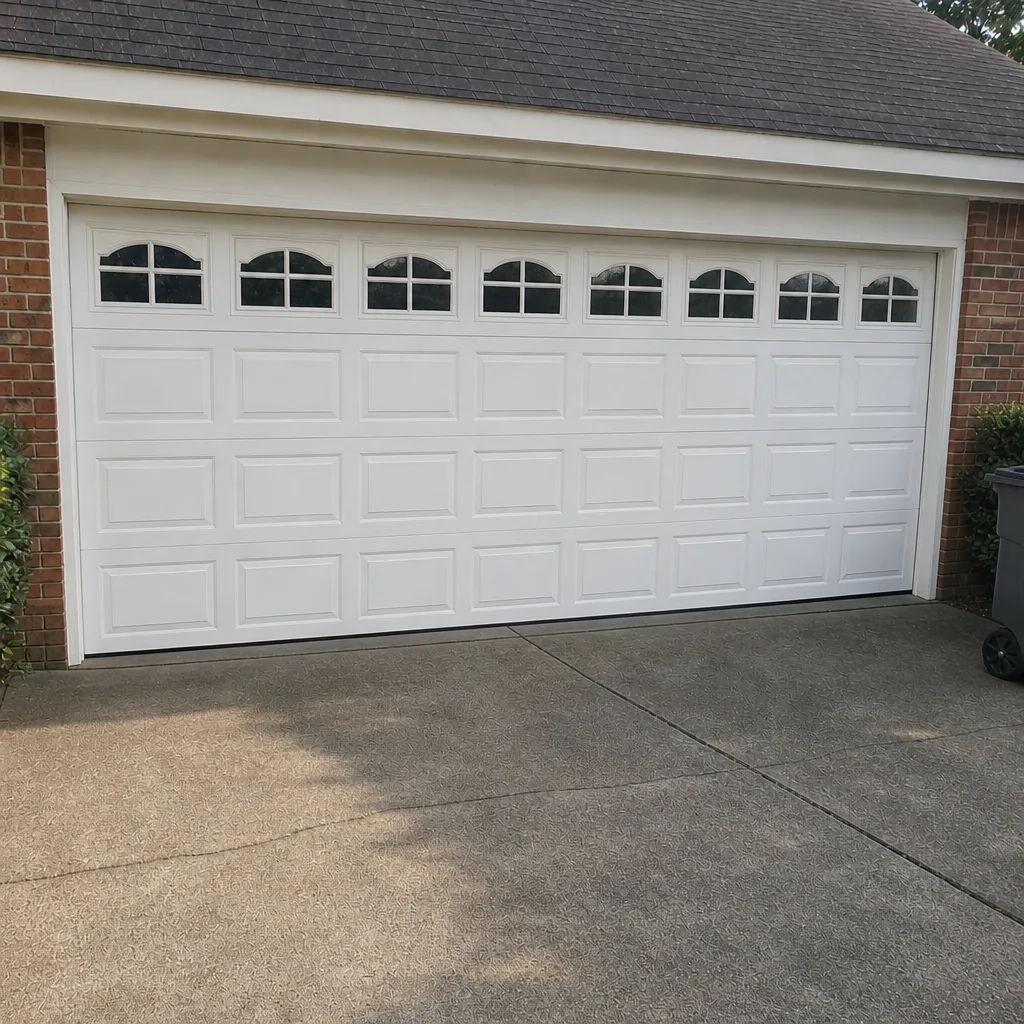 After