Last updated November 22, 2026
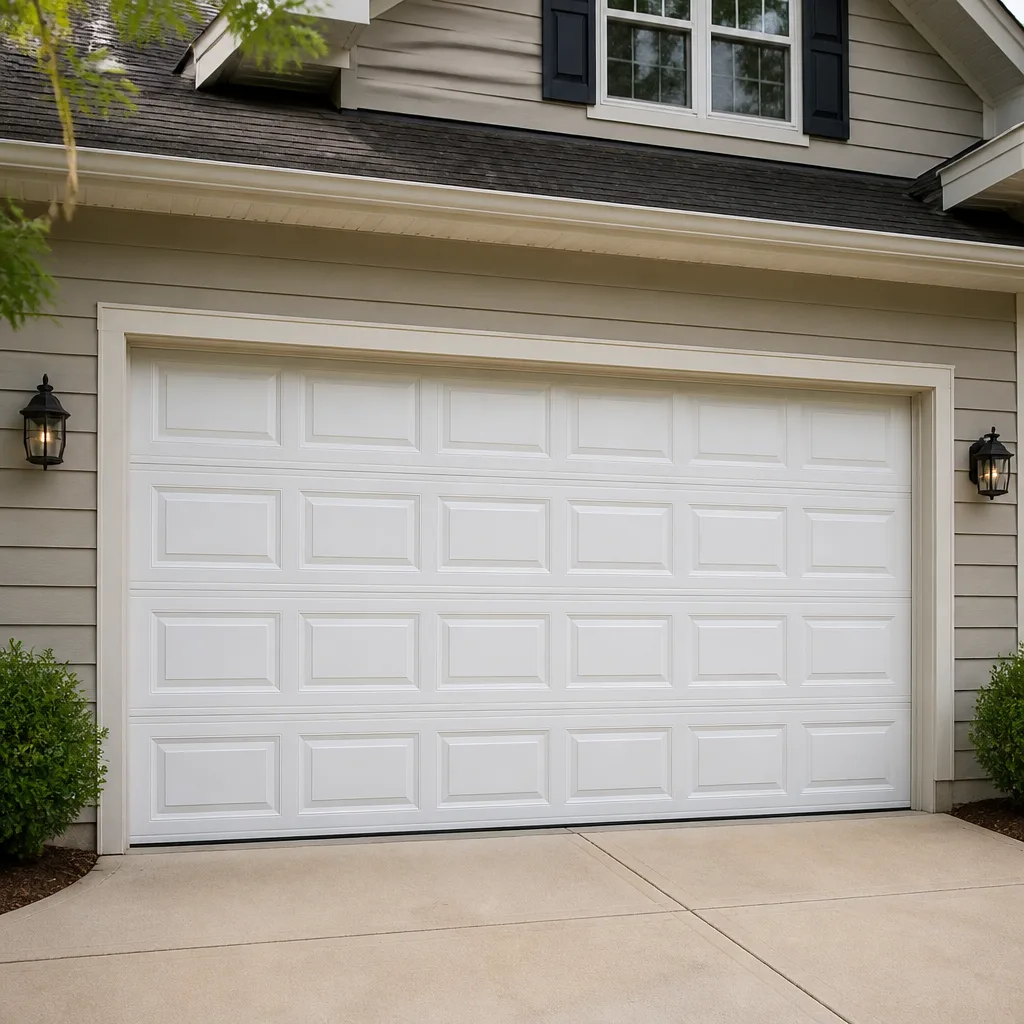 Raised-panel steel
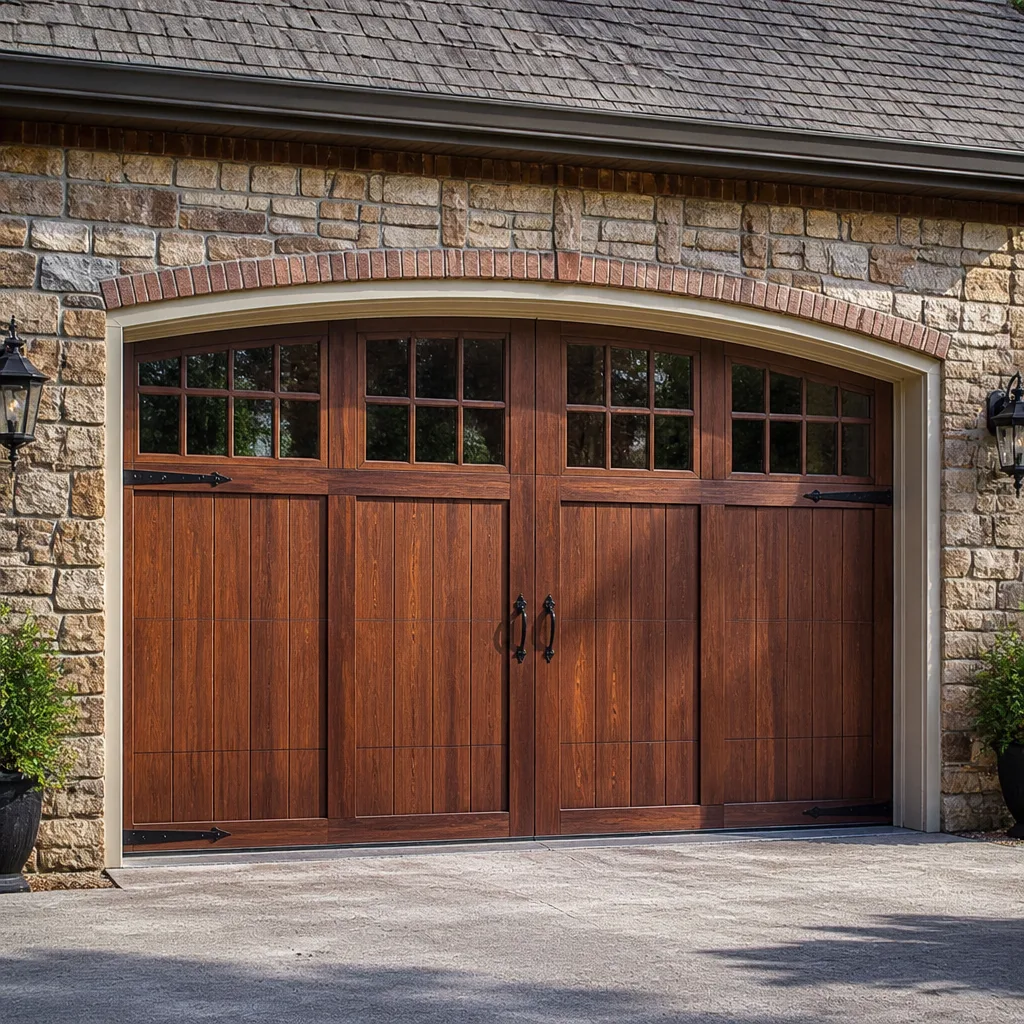 Carriage house
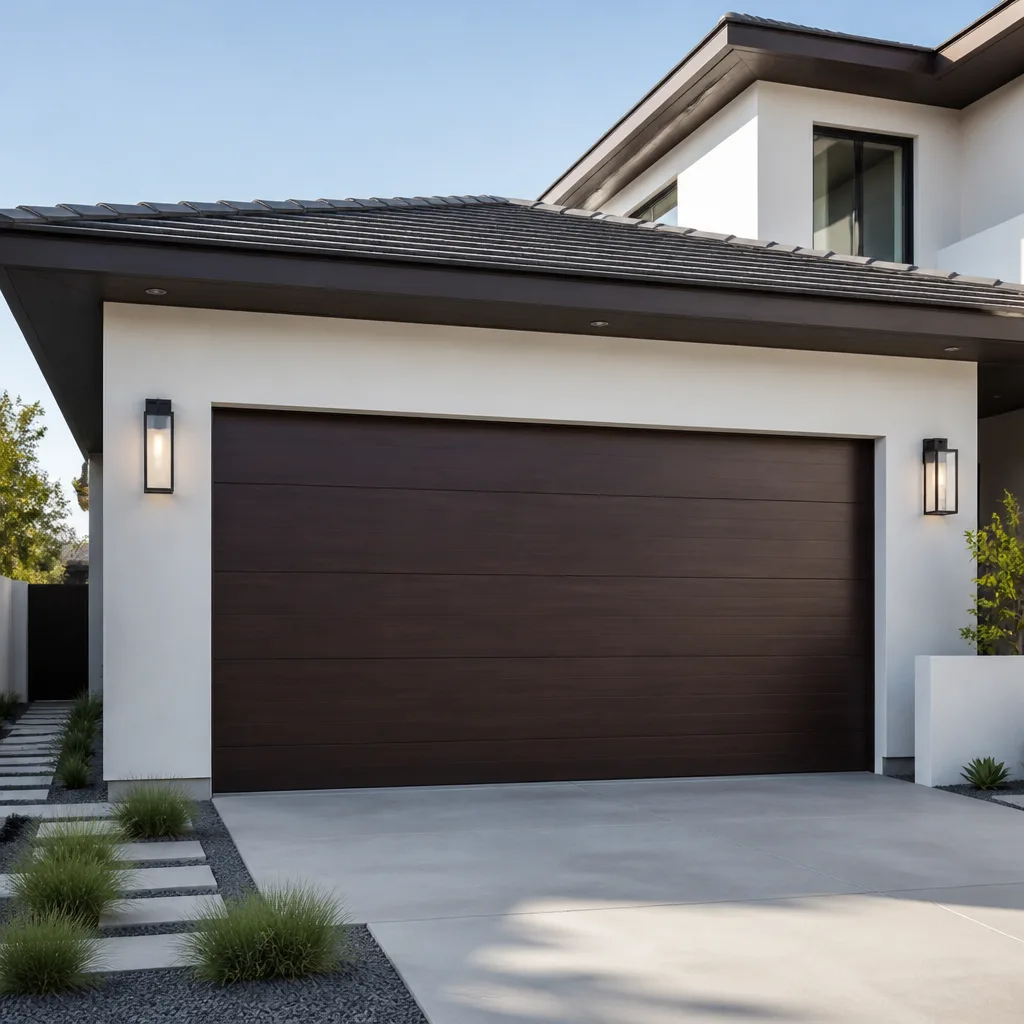 Modern flush
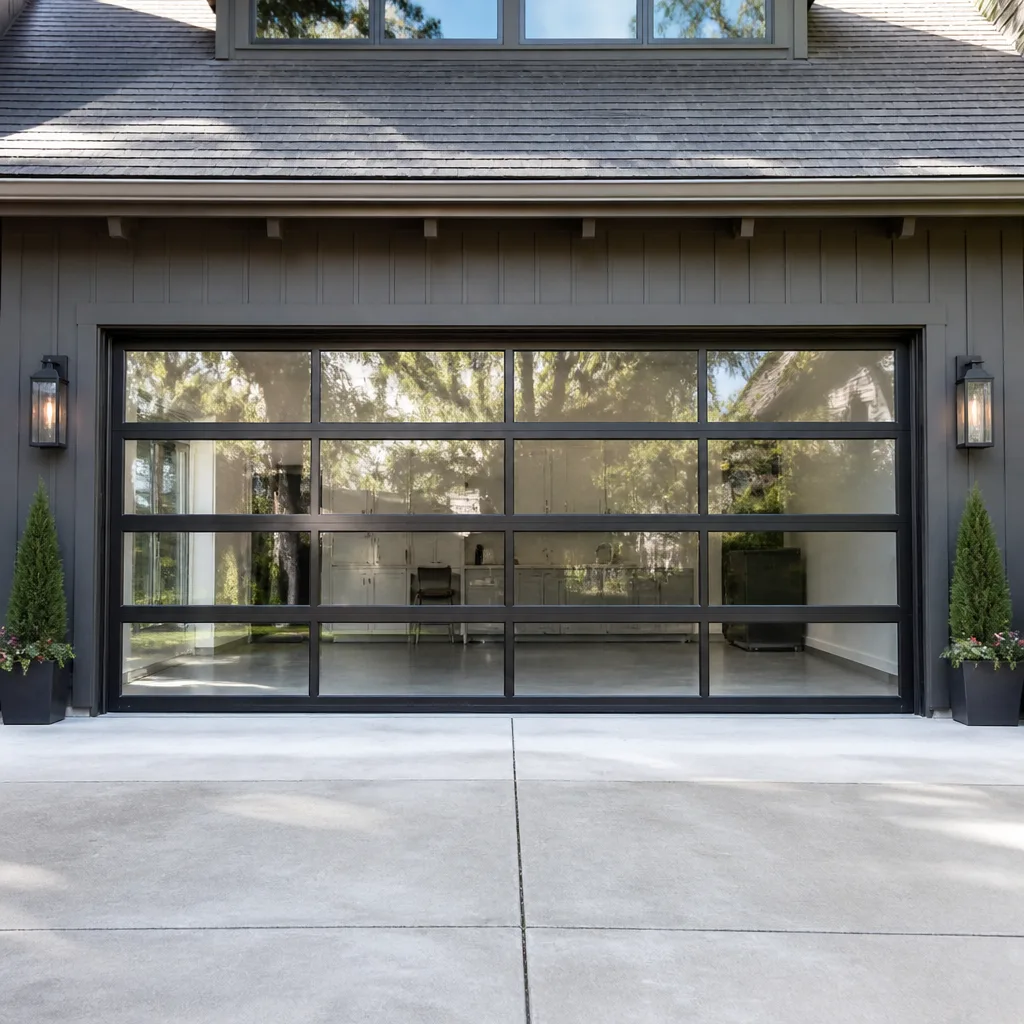 Full-view glass
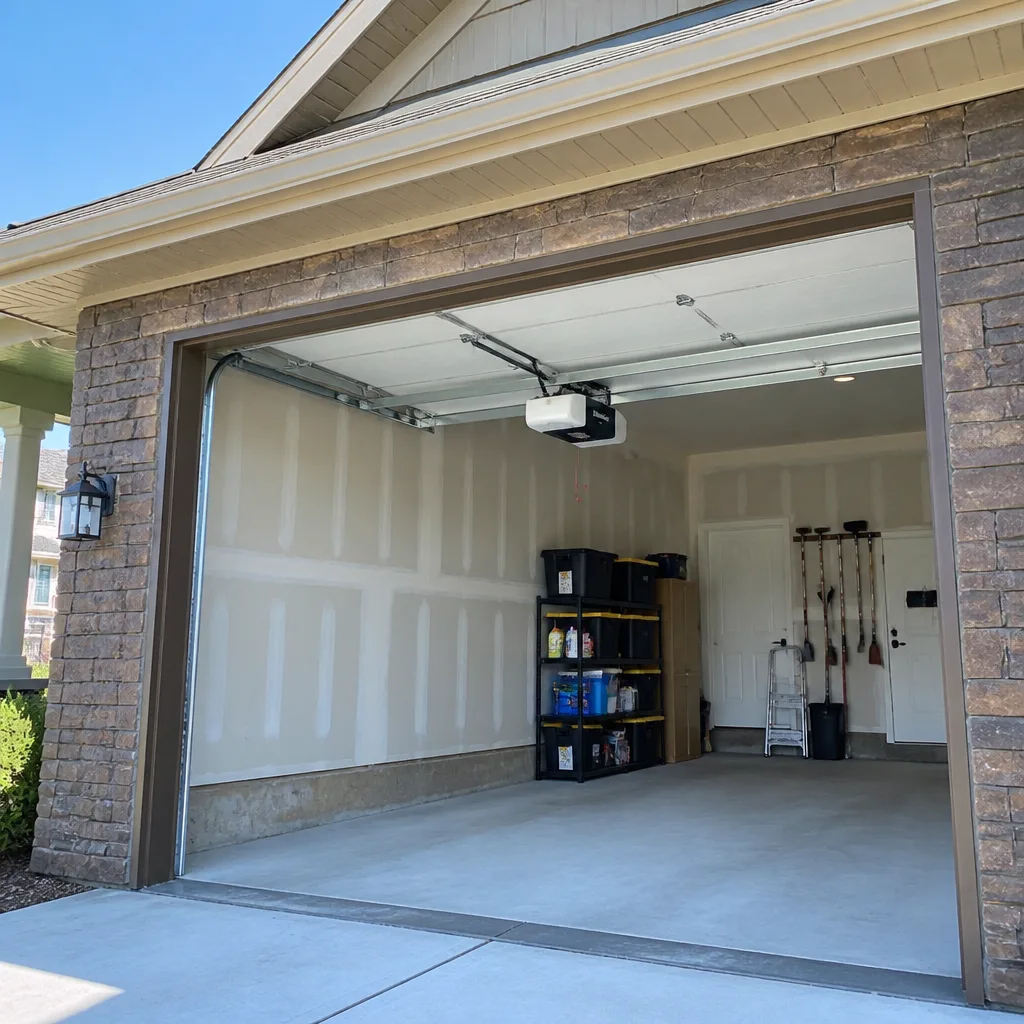 LiftMaster openers
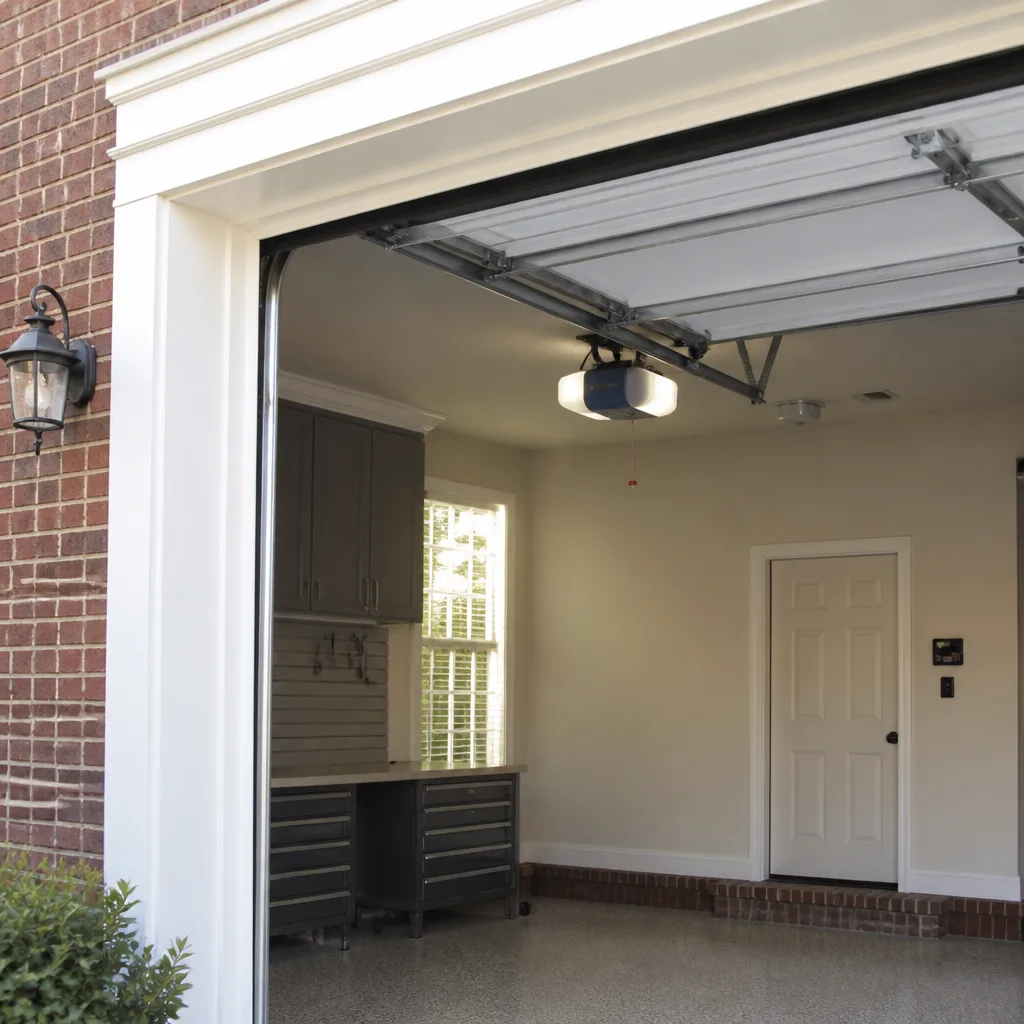 Chamberlain openers
Full 25-point door and opener safety check with every visit - springs, cables, rollers, tracks, and your LiftMaster or Chamberlain opener included
You get a price before we start. It does not change when the pro arrives.
Get your free estimateGarage Door Warning Signs: A Newport News Homeowner’s Reference Guide
A door that moves slower than it used to is the most misdiagnosed symptom in this trade. Homeowners swap the opener battery, dial up the force setting, and mark it fixed. Most of the time the real culprit is a torsion spring that’s quietly lost tension and is closer to snapping than it was last month. The symptoms of a tired spring and a failing opener overlap so closely that even careful homeowners confuse them. This guide sorts the two apart. You’ll learn what each sound points to, how to tell an opener problem from a door problem in about two minutes, and which warning signs in Newport News let you book a visit next week versus which ones mean the door shouldn’t move again today.
Quick Answer
The main warning signs of a garage door headed for failure are slower travel, grinding or popping noises, a door that reverses before closing, visible cable rust or fraying, and gaps between sections. Slow travel and a door that fights its opener usually point to spring tension loss, not the opener. Grinding points to a failing opener gear or dry rollers. Any snapped spring or loose cable means stop using the door and call a professional.
Styles & brands we work with
- Raised-panel steel
- Carriage house
- Modern flush
- Full-view glass
- LiftMaster openers
- Chamberlain openers
Table of Contents
- Why a Slow Garage Door Is Usually a Spring Problem
- Symptom-to-Cause: The Diagnostic Table
- The Manual Disconnect Test: Is It the Opener or the Door?
- Sounds Decoded: Grinding, Popping, and Scraping
- Humidity and Hardware: What Rust Looks Like Before It’s Dangerous
- The Safety Risk Timeline: This Week vs. Today
- Brand-Specific Signals Worth Knowing
- What a Five-Minute Monthly Check Catches
Why a Slow Garage Door Is Usually a Spring Problem
A garage door moves slowly because something is fighting it. Gravity is constant, the door’s weight doesn’t change, and the opener’s motor rarely weakens gradually. What does change gradually is the torsion spring above the door or the extension springs alongside it. Those springs are wound to carry most of the door’s weight. As tension bleeds off, the opener has to lift more of the load itself, so the door crawls. Homeowners in Newport News see this most in summer, when a door that ran fine through March starts dragging by July.
When the opener feels the extra load, it does what it was designed to do: it draws more current. That’s why a dying spring so often gets blamed on the opener. The opener genuinely is straining. It just isn’t the thing that broke.
A few clues point to the spring side of the equation:
- The door is slow going up but drops normally when closing. Springs do most of their work lifting, so a weak spring shows up first on the way up.
- Manual lifting feels heavy. Disconnect the opener and lift the door by hand. A healthy door lifts with one hand at about waist height. If you’re pulling hard, the springs aren’t carrying their share.
- The door creeps up a foot or two, hesitates, then continues. That stutter is the opener and spring both working, neither performing well.
- One side of the door lags. This points to a broken or slack extension spring on one side, or a torsion spring in a two-spring setup where one has failed.
If the door moves at normal speed but stops and reverses partway, the spring is probably fine. That’s a travel-limit or sensor issue, and garage door repair for that kind of adjustment is usually quick once a technician confirms it.
One caution before you start testing. Torsion springs carry high tension, and the cables that run through the system hold the door’s full weight. Never tighten, unwind, or attempt to adjust a torsion spring yourself. We treat garage door spring repair as safety-critical work for exactly this reason, and a trained technician with the right winding bars is the only safe way to touch those components.
Symptom-to-Cause: The Diagnostic Table
This is the part most guides skip. “Call a professional” tells you nothing about what’s actually wrong. Below is what the observable signs usually mean, based on the calls we handle across Newport News.
| What you notice | Most likely cause | Urgency |
|---|---|---|
| Door slower going up than before | Torsion or extension spring losing tension | Schedule this week |
| Loud bang, door won’t lift at all | Spring snapped | Stop using it today |
| Door reverses before touching the floor | Photo-eye or travel-limit misalignment | Schedule this week |
| Grinding sound while moving | Opener gear worn or drive stripped | Schedule this week |
| Door moves unevenly, one side low | Cable worn, stretching, or off a drum | Stop using it today |
| Door won’t respond to remote but wall button works | Remote battery or opener logic board | Schedule this week |
| Visible rust streaking on cables | Moisture exposure, early corrosion | Have it inspected |
| Door doesn’t close all the way, gap at bottom | Track obstruction, bent track, or limit stop | Schedule this week |
| Popping from above the door | Torsion spring slipping on its shaft | Schedule now |
| Door disengages randomly | Emergency release pulled, or carriage failure | Have it inspected |
The urgent rows are the ones tied to the spring and cable system. Those parts hold the door’s weight directly. Everything else can usually wait for a scheduled visit. If a spring has snapped, the door’s full weight is now sitting on the opener’s motor and a single cable, and running it is a genuine safety risk. For a snapped spring or a door hanging off its track, our emergency garage door service queue exists for that reason.
The Manual Disconnect Test: Is It the Opener or the Door?
Here’s the fastest way to separate an opener problem from a door problem. It takes two minutes and no tools.
- Close the door and pull the red emergency release handle hanging from the opener carriage. This disconnects the opener from the door.
- Lift the door by hand from the bottom panel. Use both hands and go slowly. A door with healthy springs lifts with one hand and stays up on its own.
- Judge the resistance. If it feels heavy or fights you, the problem is in the door’s springs or hardware. If it lifts smoothly and easily, the springs are fine.
- Reconnect by pulling the release cord back until the carriage clicks into the opener rail, then run the opener without the door attached. If the motor rolls smoothly and the rail travels normally, the opener is healthy too.
- If the opener chain or belt rattles, the motor grinds, or the shuttle stalls, the problem is on the opener side.
What the test tells you: a heavy door with a smooth opener means spring trouble. A light door with a struggling opener means opener trouble. And a heavy door with a struggling opener means both need attention.
One warning before you do it. If the door has a broken spring, one side hanging low, or a cable visibly off its drum, don’t lift it. A door with a snapped spring can be far heavier than it looks, and a door with slack cable can come down unexpectedly. Call for a technician instead. Whether you have a LiftMaster or a Chamberlain system, the disconnect test result is the same, and it’s the first thing a technician checks on arrival.
You can read more about how our team handles garage door opener repair if the test points to the motor side of things.
Sounds Decoded: Grinding, Popping, and Scraping
A garage door shouldn’t announce itself. If you can hear your door from inside the house, something is telling you where to look. Each sound points at a different component.
Grinding
Grinding usually comes from the opener. Most opener motors use a plastic or nylon drive gear that wears down over years of use. When it starts to strip, you get a low grinding or buzzing sound, and the door either moves slowly or stops. Grinding can also come from dry or seized rollers. A roller that has stopped spinning drags across the track, and after a while it flattens. If the grinding is steady and high, it’s the opener. If it’s rhythmic and low, it’s a roller.
Popping
Popping typically comes from the torsion spring assembly. Springs wind tight against their shaft and, over time, can slip, wear, or start to crack. A spring near the end of its life may pop once, pause, then pop again as the door travels. Popping is not a sound to ignore. Springs under full tension can injure a person badly when they fail, so call a professional to inspect it rather than poking around with a screwdriver.
Scraping
Scraping usually means metal on metal. A bent track, a door section that has shifted, or a roller that has come loose from its hinge can scrape against the rail. A scraping door can wobble off the track entirely if you keep running it. Shut the door and have it looked at before the next use.
Squealing or Squeaking
Squealing is the least alarming of the group. It usually means dry hinges, dry rollers, or a dry torsion shaft. A technician can lubricate the right parts and stop it, and once it’s quiet you’ll hear the other noises better if they show up.
If you’re not sure which category your sound falls into, try it while the house is quiet. Run the door once with no distractions. You’ll usually hear whether the noise is coming from above (opener rail, springs), from the sides (tracks, rollers, cables), or from the door itself. Tell a technician which direction the sound comes from and you’ll get a faster, more accurate diagnosis.
Humidity and Hardware: What Rust Looks Like Before It’s Dangerous
Hampton Roads summers are humid, and Newport News garages feel it. Cable, track, and spring metal are all exposed to that moisture every day, and the rust that follows is quiet. But rusted hardware comes in two versions: one you can plan around and one you can’t.
Rust that isn’t urgent yet. Light orange dust or a thin film on track railings, hinges, or drum edges. The cable itself still runs smooth when you pull it back and forth. No visible fraying. This is normal surface oxidation and it responds well to cleaning and lubrication. It’s a sign to book a tune-up, not a sign to stop using the door.
Rust that is dangerous now. Brown spotting and pitting on the cable strands themselves. Frayed strands poking out at the coil or ends. A cable that looks thinner in one place than another. A cable that has flattened or started to unravel. When a cable gets to this state, it has lost a measurable amount of strength. A cable failure can drop the door on a person or a car, so it’s a stop-now problem. Have it replaced before the door is used again.
Springs corrode too. Rust on a torsion spring looks harmless, but corrosion means metal loss, and a spring with metal loss is a spring that’s closer to breaking. It’s the same story in Newport News neighborhoods from Hidenwood to Port Warwick. The garage faces the street, holds a car, and sits through three humid months a year. Annual lubrication and a visual check on the cable coils will catch rust early enough to make a plan instead of an emergency.
What to Check Visually (Not With Your Hands)
- Look at each cable from the bottom, where they attach to the door, and from above, where they wrap around the drums.
- Look for streaks down the door near the hinges. That can be rust bleeding from an internal part.
- Look at tracks for bends, dents, or sections pulled slightly apart at the seams.
- Look at the door panels for cracks or bubbling paint, which can mean the panel’s core has picked up moisture.
If a cable looks frayed or a spring looks corroded, call before you use the door again. Cable replacement is not a homeowner job. The cables hold full spring tension and can whip loose under load. This is the one piece of hardware where we tell everyone the same thing: leave it to a trained technician.
The Safety Risk Timeline: This Week vs. Today
Not every warning sign carries the same urgency. Sorting them into two buckets makes it easy to decide how quickly to call.
Schedule This Week
- Slow travel – A weakening spring is on a path to failing, but it’s not there yet. A scheduled visit gets it before it snaps.
- Grinding opener – A worn drive gear is annoying, not dangerous. It will fail entirely if left, but a slow opener won’t drop a door.
- Squealing hinges – Lubrication and adjustment. No injury risk.
- Door reverses before closing – Usually a sensor alignment, occasionally a limit setting. If it’s a sensor, the door won’t crush anything; it just won’t close.
- Remote not working – Battery or logic board. A wall button still operates the door, so you’re not stranded.
- Light surface rust – A tune-up item. Track it, don’t panic.
Same-Day Response
- Snapped spring – The door’s full weight now rests on the opener and cables. Don’t run it.
- Frayed or off-drum cable – The cable holds the door’s tension. A failure can drop the door without warning.
- Door off its track or hanging unevenly – Weight is unevenly distributed. It can fall.
- Door won’t close at all – A security gap in your home. Schedule as a priority.
- Door won’t respond to any opener input – Could be a dead opener, could be a dead spring. Either way, a technician needs to see it.
- Door hanging open after a storm or impact – The door is exposing your house and may have bent panels or bent tracks.
The same-day bucket is where our emergency garage door service comes in. When the door won’t move, we do. That said, even urgent calls follow the same rule: the price is agreed before any work starts. You’ll know what the repair costs before a technician picks up a tool.
If you’re looking at a door that needs more than a repair – multiple panel failures, a sagging header, a system well past its service life – the sooner you get a thorough assessment the better. Garage door installation is scheduled work, so a free measure and a written quote is the right first step, not a same-day call.
Brand-Specific Signals Worth Knowing
Opener brands behave differently when they’re starting to fail, and knowing the pattern saves guesswork. Our technicians have up to 9 years of experience, and the differences we see most in Newport News come down to how each brand handles the strain of a struggling door.
LiftMaster and Chamberlain. These brands share a lot of internal design. Their openers are good at sensing resistance and shutting down when the door is too heavy. If a LiftMaster or Chamberlain opener reverses a few inches from the floor or starts beeping codes, it may be telling you the door has gotten harder to lift, not that the opener is failing. That’s a spring clue dressed as an opener problem.
Genie. Genie models with a screw drive or belt drive tend to run quiet for years and then suddenly make a grinding sound up top. That’s often a worn drive gear inside the unit. The door rises slowly for a few days, then stops. If you’ve got a Genie acting this way, get the opener looked at, and have the technician check the door’s balance at the same time.
Clopay doors. Clopay produces steel and wood-look panels that are common in this part of Virginia. When a Clopay panel starts to crack along a seam or the paint bubbles, the interior of that panel has probably picked up moisture. It’s a door-side warning sign, not an opener one, and it can mean a panel replacement rather than a repair.
The helpful pattern is this: if the opener beeps, reverses, or flashes its wall unit, the opener’s safety system is working and it’s trying to tell you something. If the opener simply grinds or refuses to move while the door feels heavy by hand, the door’s hardware is at fault. Either way, one call covers the door and the opener. That’s why we work on the brand you already have rather than pushing a replacement.
What a Five-Minute Monthly Check Catches
Most of the warning signs in this guide were visible for weeks before the failure. A quick monthly walkthrough catches them early, and it’s safe for a homeowner to do.
- Walk out with the door closed and look at the tracks. Are they straight? Any dents or gaps at the joints?
- Check the cables at the bottom corners and above the drums. Look for rust, fraying, or a cable that’s off the drum. Don’t touch.
- Look at the springs above the door. Any visible rust, gapping, or a piece hanging loose. Don’t touch.
- Pull the red release and try lifting the door by hand. If it’s heavy, it’s spring trouble.
- Run the door and listen. Note whether the noise is high (opener), rhythmic (rollers), or from above the door (springs).
- Test the safety reverse. Place a small object like a brick under the closing door and check that the door reverses on contact. If it doesn’t, the photo eyes or the opener’s safety setting need attention.
- Look at the weather seal at the bottom. Cracks let water and pests in, and they’re easy to replace.
A five-minute check every month catches most of what lands a door in the same-day bucket. For homeowners who would rather have a trained eye do the walkthrough, we offer a scheduled inspection across Newport News that covers the door, the opener, and the safety reverse system in one visit. If you want a clear written report and an estimate for anything that needs attention, that’s part of the same call.
Common Mistakes to Avoid
- Replacing the opener when the spring is failing. If your door is slow or heavy by hand, the opener isn’t the problem. A new opener bolted to a bad spring will still struggle, and you’ll have paid for the wrong fix.
- Adjusting force settings to compensate. Increasing the opener’s force setting will make it push through resistance, but it also removes the safety margin that stops the door from crushing something in its path. Don’t turn it up to cover a door problem.
- Ignoring a cable with visible rust streaks. A rusty cable looks cosmetic. Pitting and fraying mean the strands are thinning, and a cable failure is the highest-risk event on a garage door.
- Lifting a door with a snapped spring. A door with a broken torsion spring or one slack extension spring can weigh far more than it did, and one side can collapse. Certain materials are legitimate, but not on a jammed door.
- Tightening torsion springs yourself. Every spring adjustment involves tools and force that will injure a homeowner who doesn’t work with them daily. Leave it to a technician.
- Lubricating the wrong parts. Greasing a track attracts dirt and does nothing for the rollers. Grease belongs on hinges, rollers, and the torsion shaft, not the track itself.
- Waiting for a minor sound to become a major one. A squeal that could’ve been a lube job turns into a snapped cable when it’s ignored. The earlier you call, the cheaper the fix tends to be.
See the difference
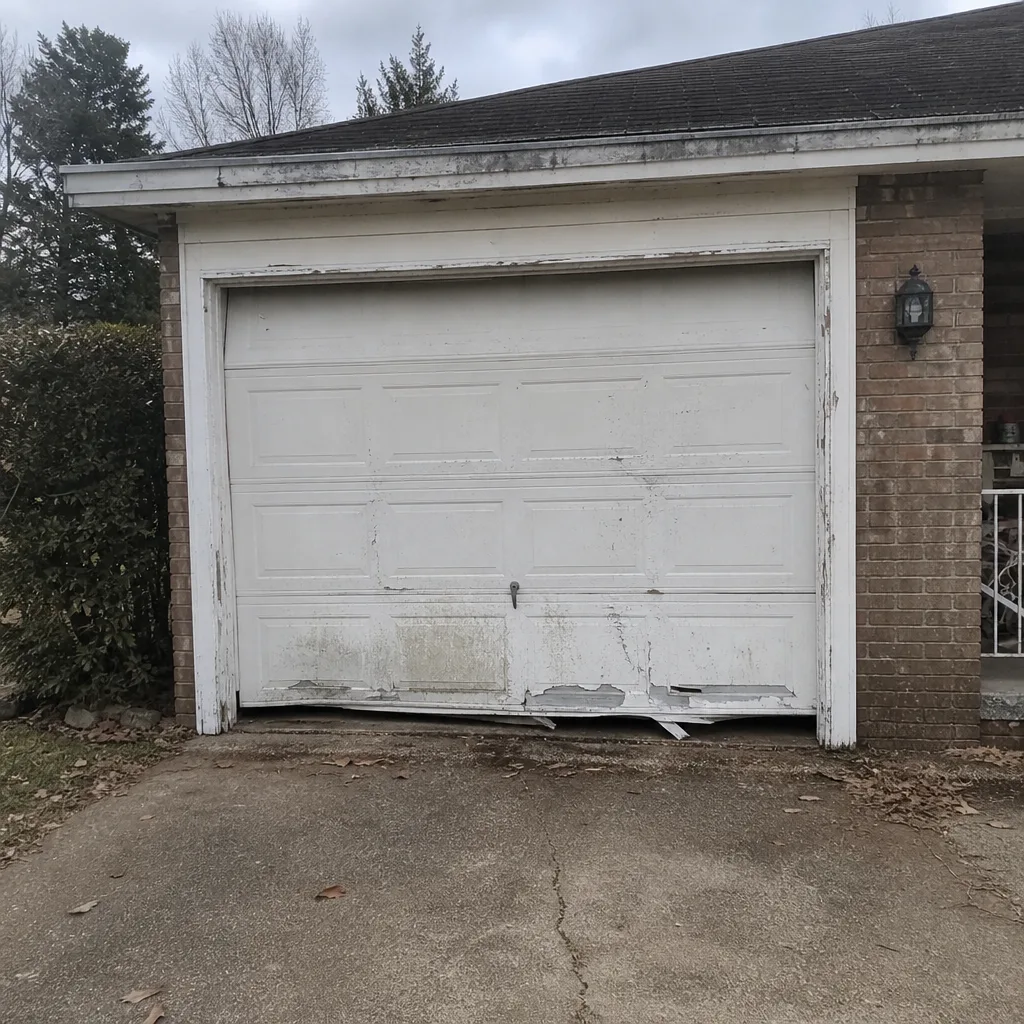 Before
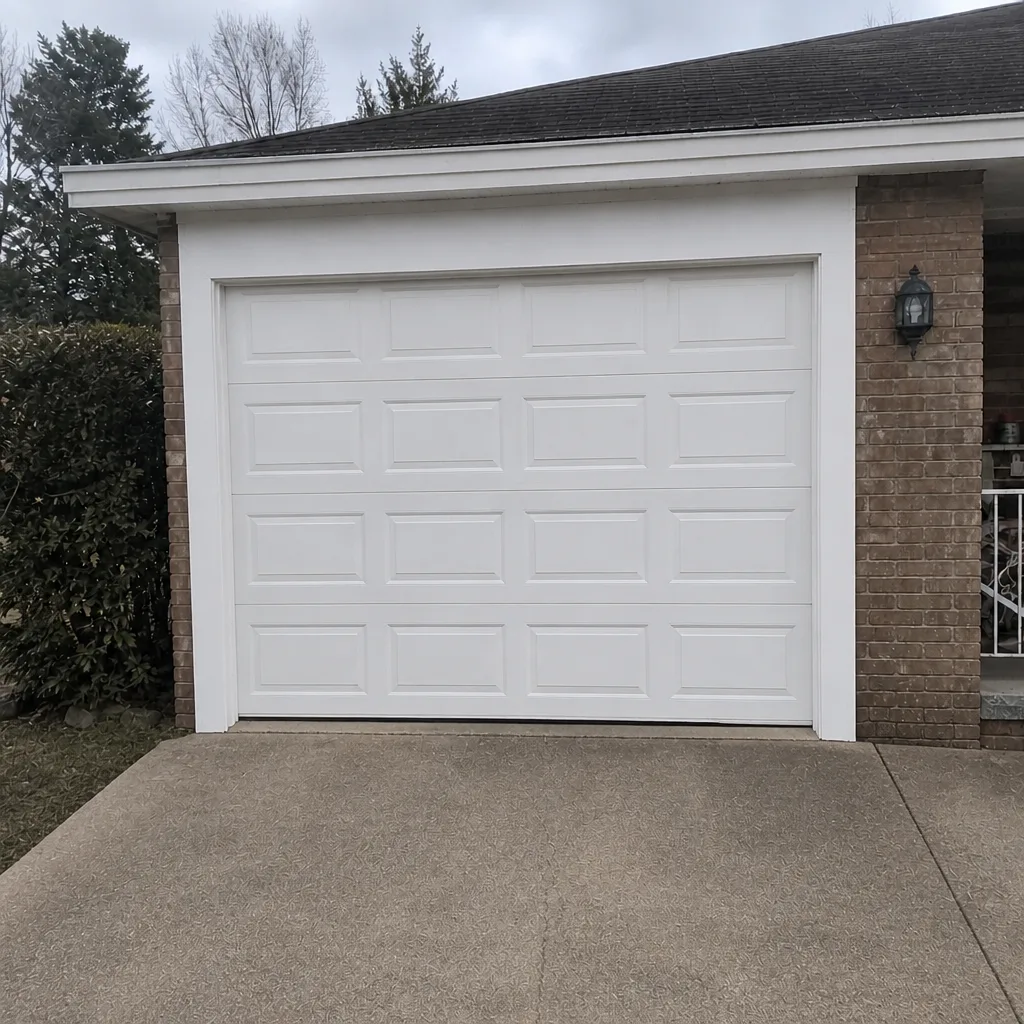 After
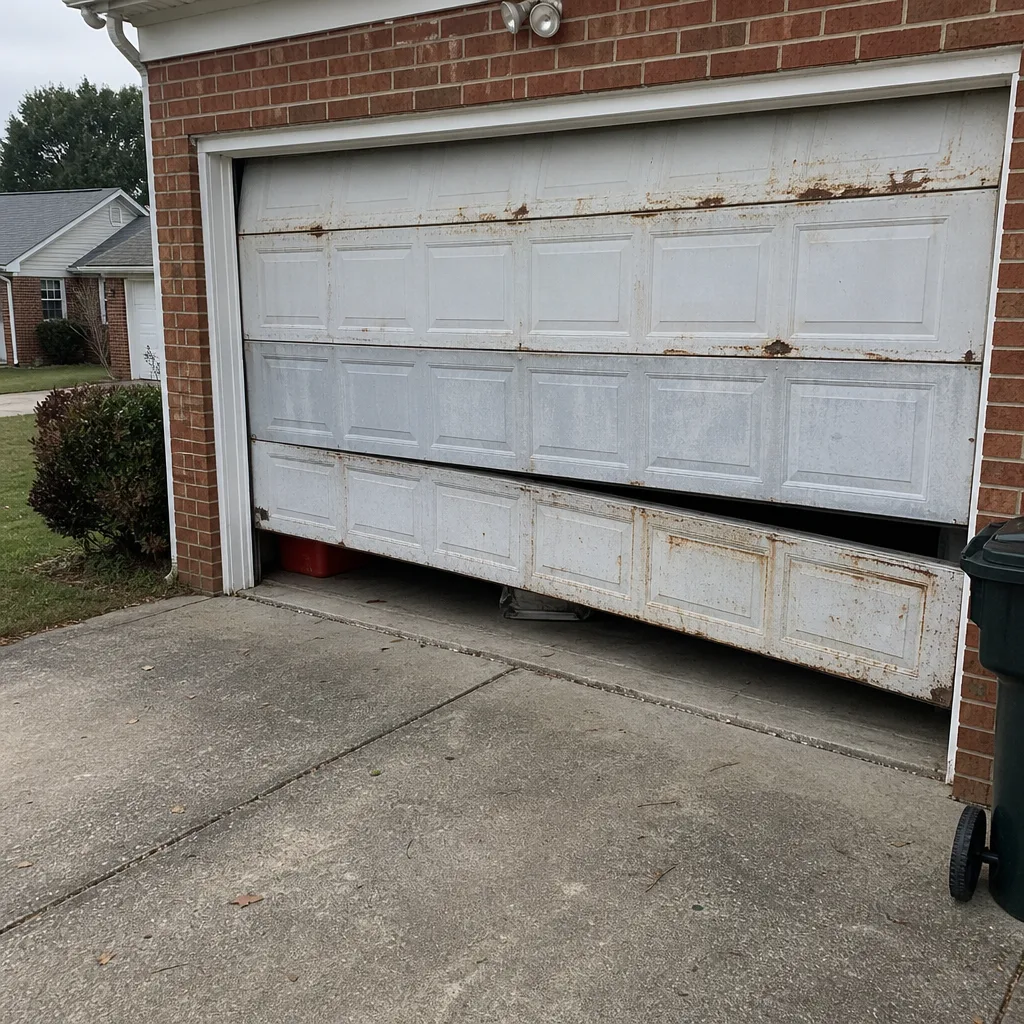 Before
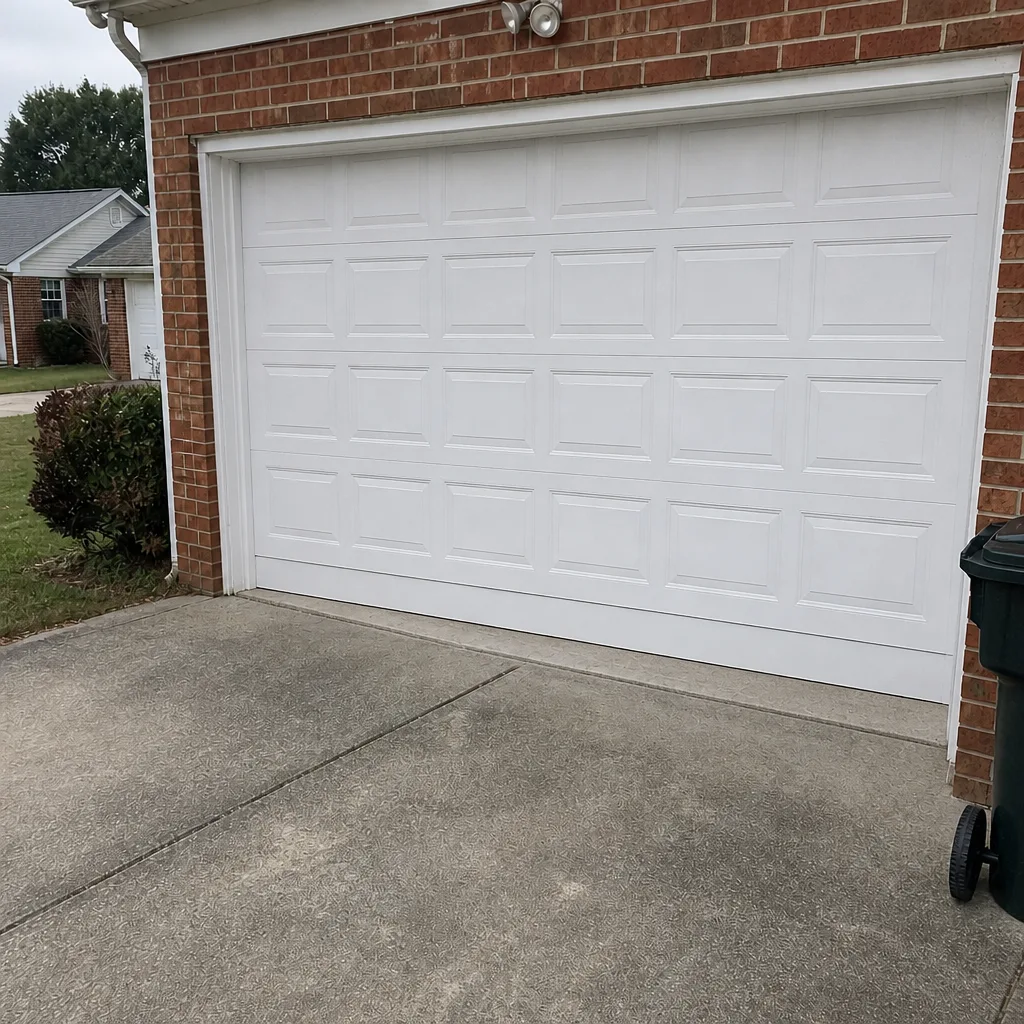 After
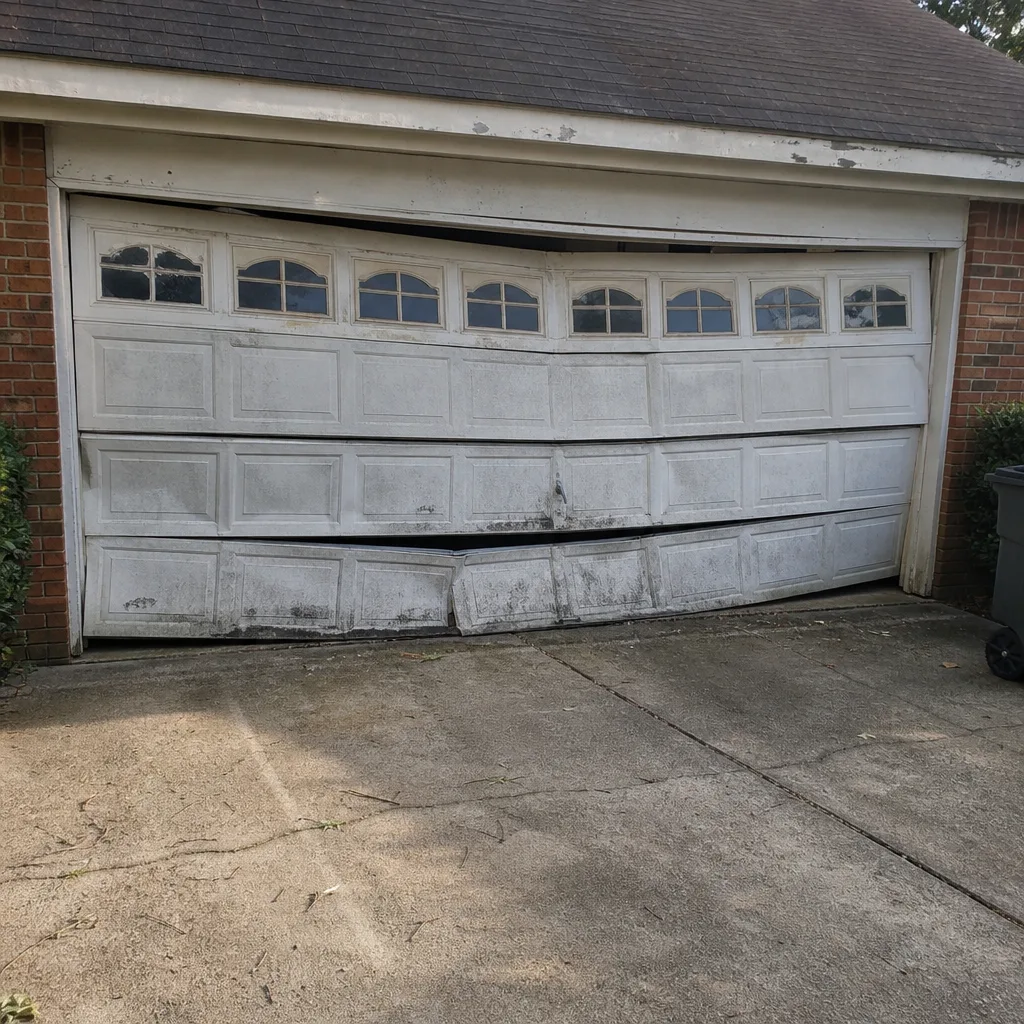 Before
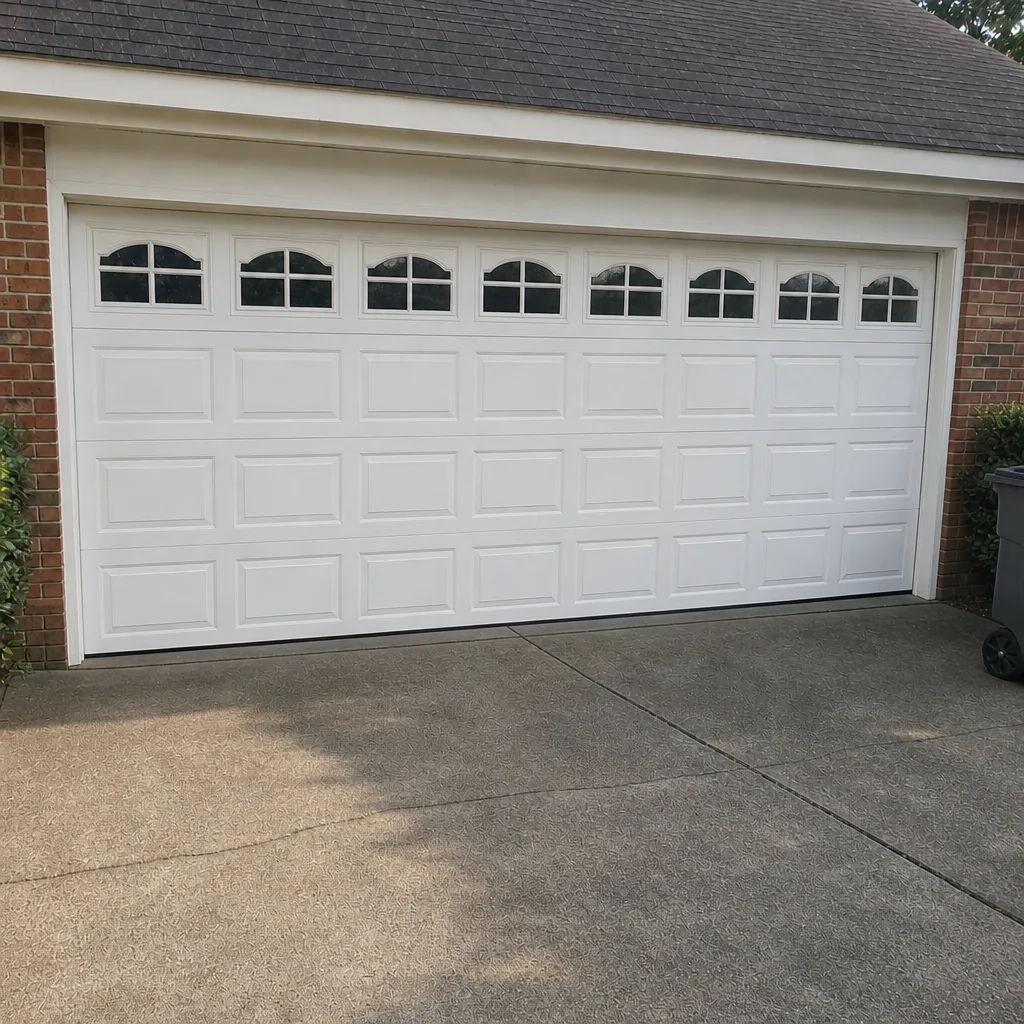 After
When to Call a Professional
Call a professional if you have a snapped spring, a frayed or off-drum cable, a door hanging unevenly, a door that won’t close at all, or an opener that grinds or beeps without moving the door. Those are the cases where a trained technician needs to look at the whole system. Our team handles this daily in Newport News, and our technicians work across the industry’s leading door and opener brands, including LiftMaster, Chamberlain, Genie, and Clopay.
Newport News Garage Door Repair Co offers free estimates in Newport News, and the price is quoted and agreed before any work starts. Call (855) 633-7752 for an estimate, and if the door won’t move at all, mention it – emergency service is a standing offering, not an upsell.
Frequently Asked Questions
Pull the red emergency release and try lifting the door by hand. If it’s heavy and fights you, the spring is the problem. If it lifts easily but the opener still grinds or stalls, the opener is failing. The slow-travel symptom most homeowners notice first is almost always spring-side. Call (855) 633-7752 and we’ll help you sort it out.
Grinding usually comes from a worn drive gear in the opener, or from dry, seized rollers dragging on the track. A steady high grind points to the opener. A rhythmic low grind points to rollers. A technician can tell the difference in one visit, often same-day. Call (855) 633-7752 for an estimate; estimates are free.
Light surface rust is not urgent, but fraying, pitting, or thinning cable strands are. A damaged cable can fail without warning, and the door’s full weight drops with it. If a cable looks frayed or has come off its drum, stop using the door and call (855) 633-7752.
Once a year is the baseline, and twice a year in homes where the garage gets humid and closed-up in summer. The Hampton Roads humidity accelerates corrosion on cables, springs, and tracks, so a spring check before summer is worth the visit. Call (855) 633-7752 to schedule one.
No. The written estimate we give you is the price, and it’s quoted and agreed before any work starts. If the technician finds an additional problem on the door, they’ll show it to you and quote it before touching it. Call (855) 633-7752 for a free estimate.
Yes. A door that won’t close is one of the calls we treat as same-day. Emergency garage door service is a standing part of what we offer, not a special option. Call (855) 633-7752 and tell us what the door is doing and we’ll get you the soonest slot.
The Bottom Line
Garage door failures give you warning. Slow travel means a spring losing tension. Grinding means a worn opener gear or dry rollers. Popping means a slipping spring. Scraping means a bent track. Cable rust has two faces: cosmetic and dangerous, and it’s the dangerous one you stop for. Use the manual disconnect test to separate opener trouble from door trouble, and treat any spring or cable warning as the safety matter it is. Most of what lands a door in the same-day bucket in Newport News was visible weeks earlier. Catch it early, call when it’s urgent, and you’ll spend less and stay safer.
Ready for a free estimate? Call (855) 633-7752 and we’ll take a look at your door, opener, and spring system in one visit.
Written by the team at Newport News Garage Door Repair Co.