Last updated November 22, 2026
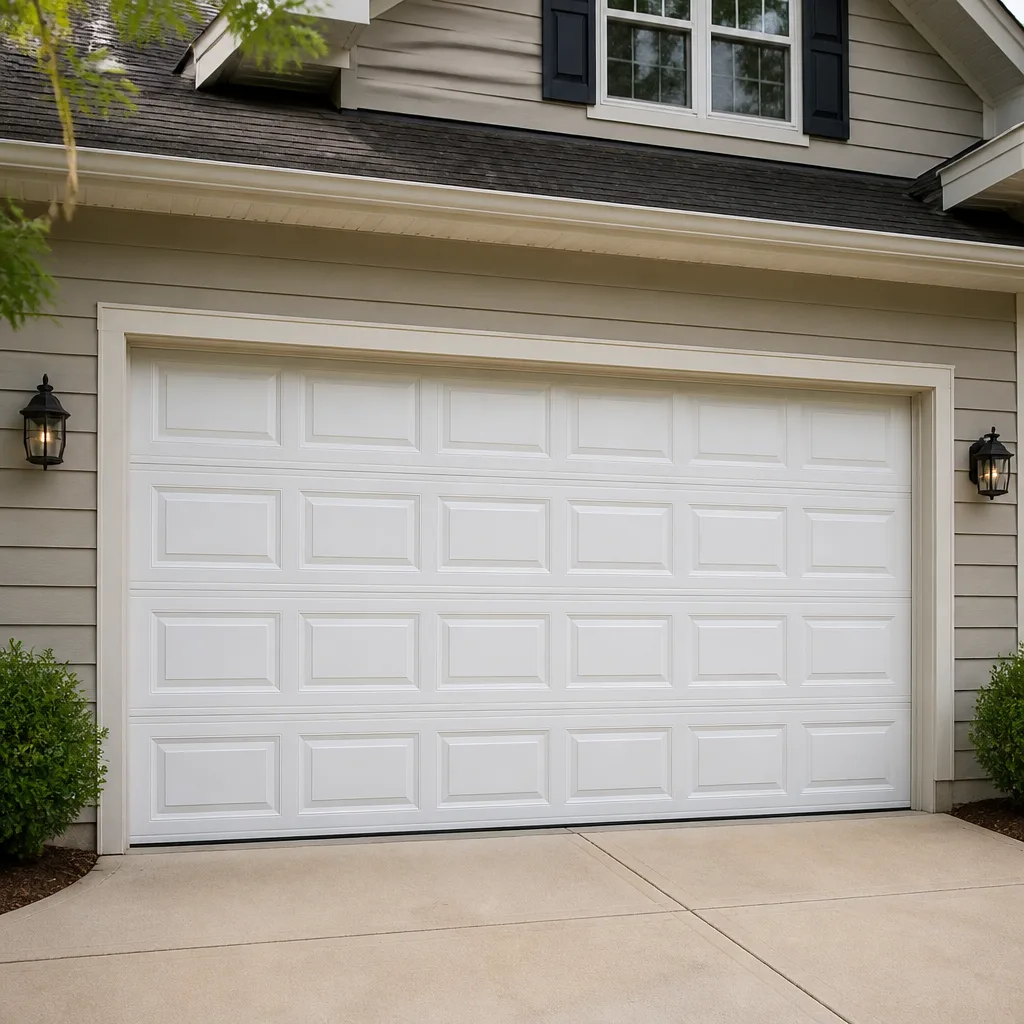 Raised-panel steel
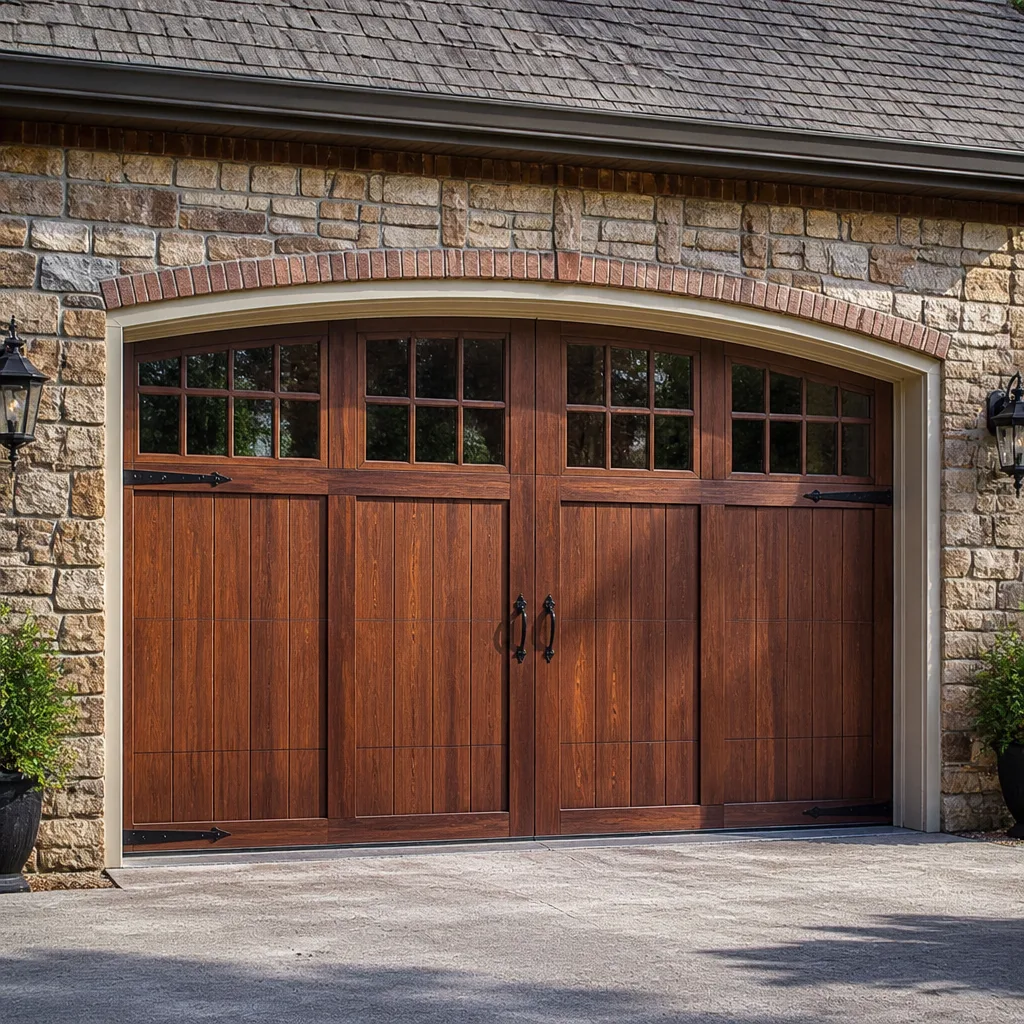 Carriage house
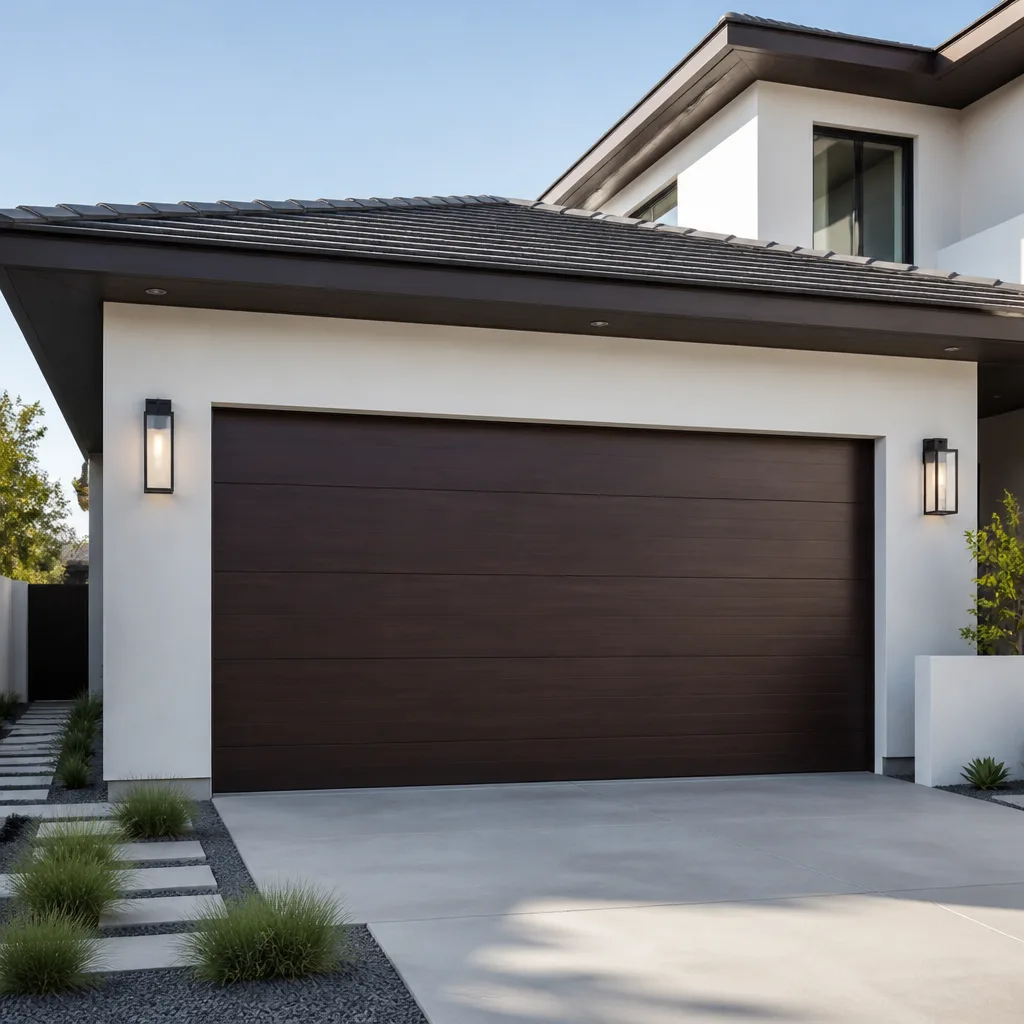 Modern flush
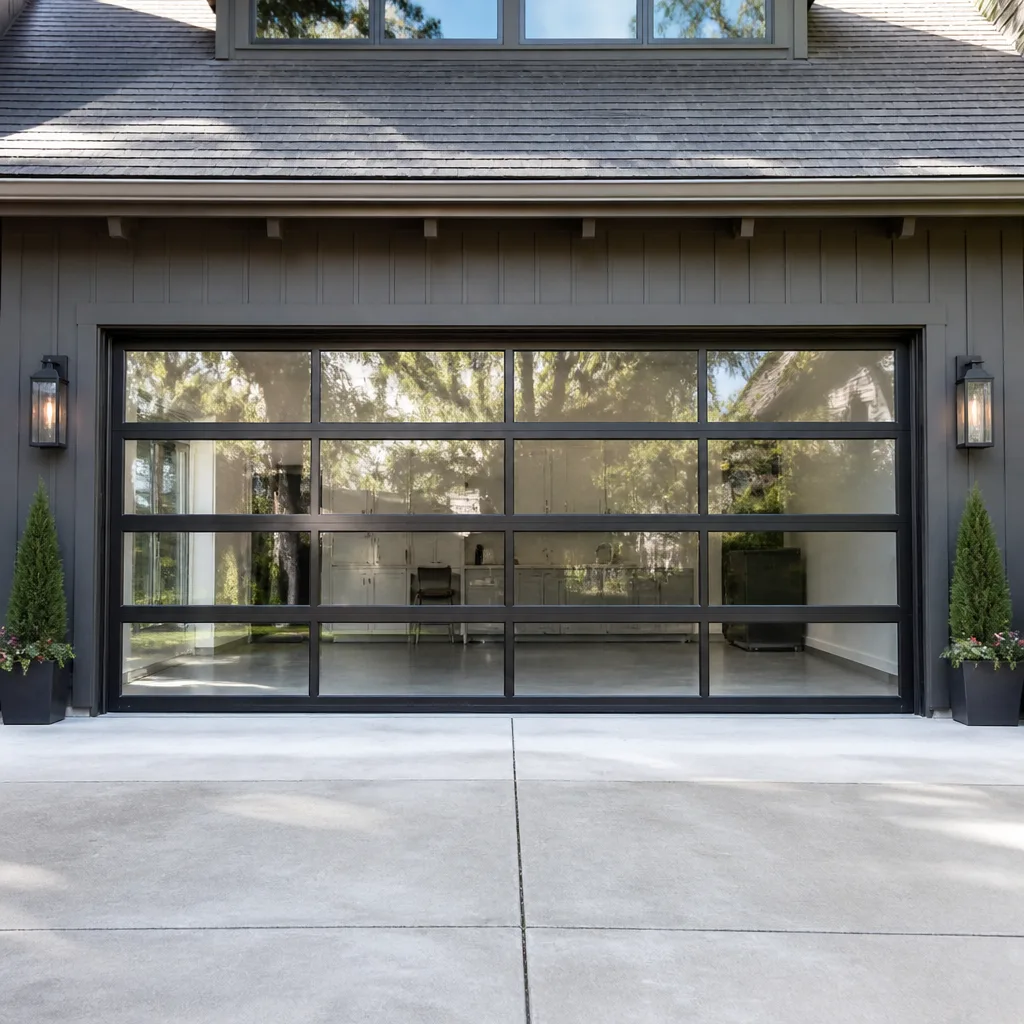 Full-view glass
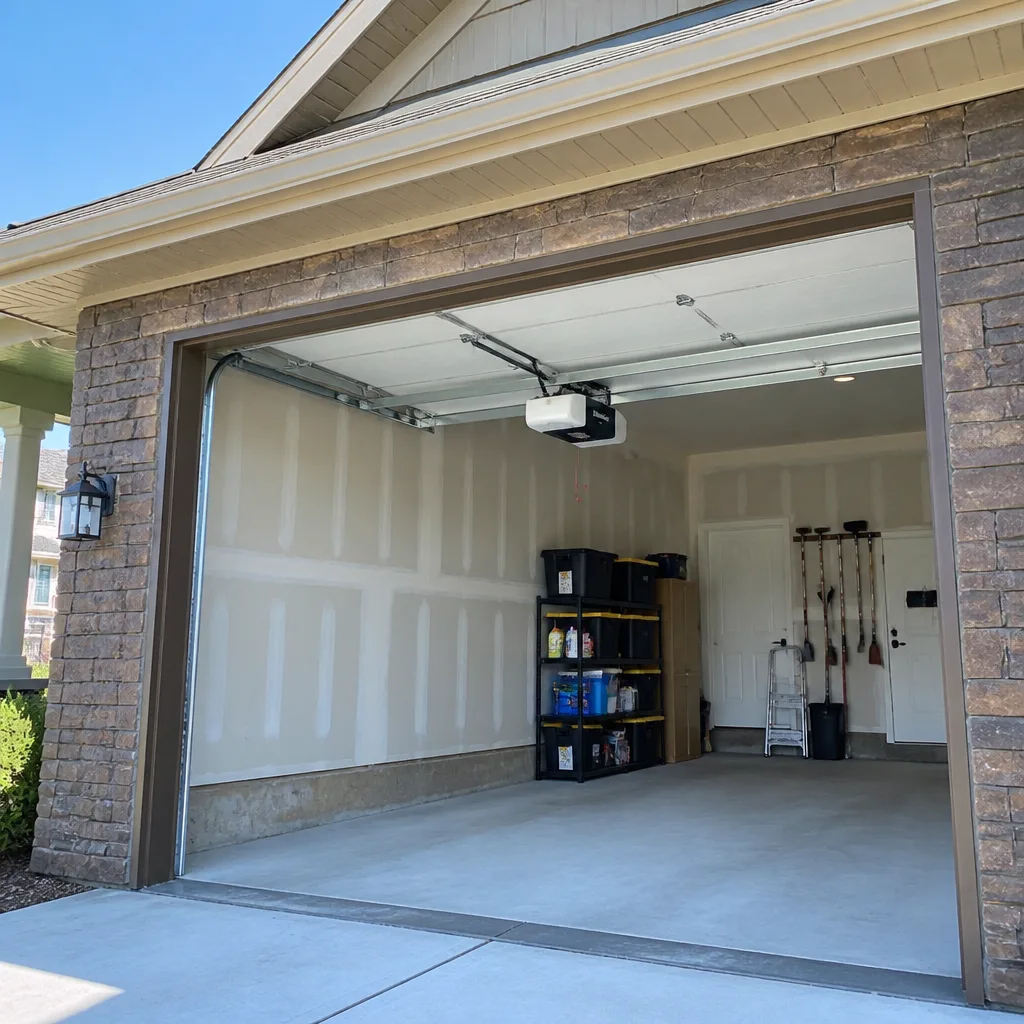 LiftMaster openers
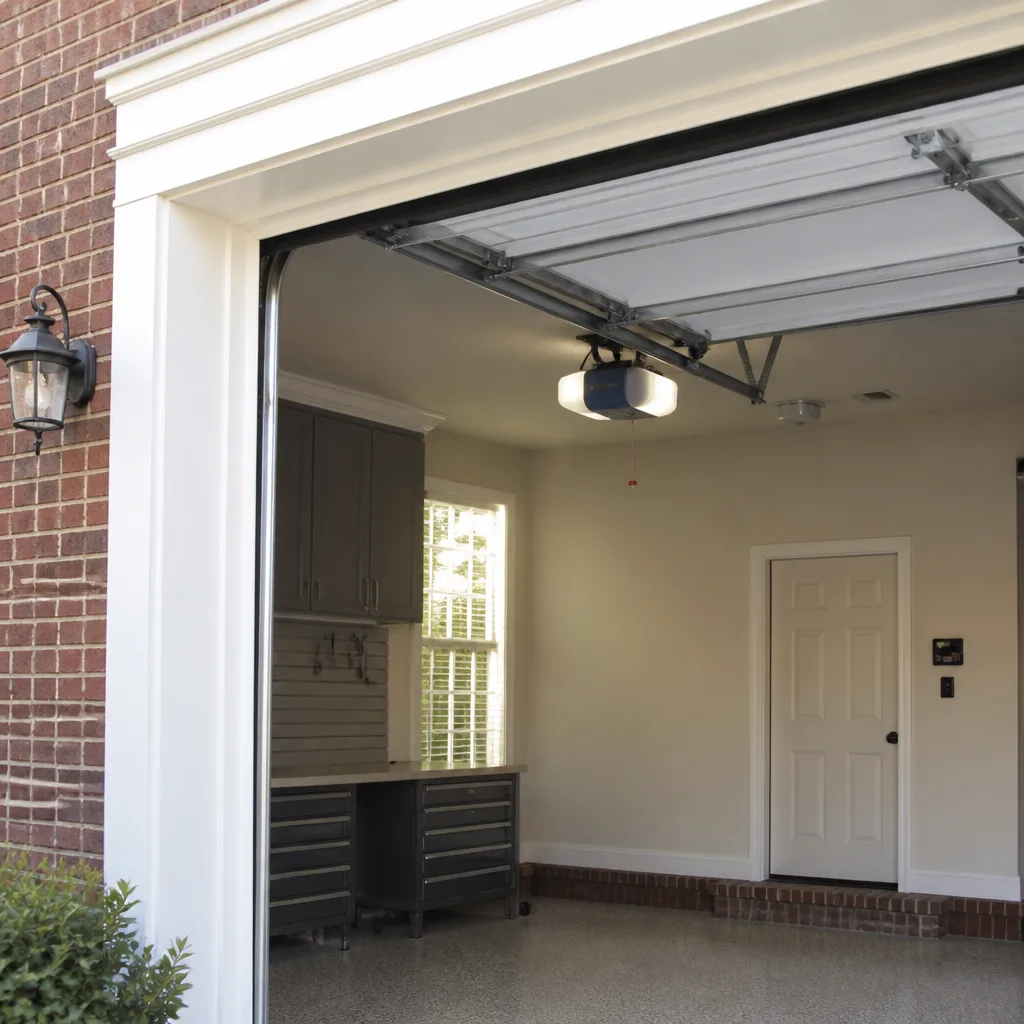 Chamberlain openers
Full 25-point door and opener safety check with every visit - springs, cables, rollers, tracks, and your LiftMaster or Chamberlain opener included
You get a price before we start. It does not change when the pro arrives.
Get your free estimateGarage Door Repair Troubleshooting in Newport News: Common Problems and How to Fix Them
Most homeowners treat every garage door symptom as a fresh mystery. It isn’t. A door that reverses before closing, a door that won’t budge, a door that lurches and shudders – these are patterns, and they repeat across thousands of homes. Once you know which failure category you’re looking at, you stop guessing. You stop spraying lubricant on parts that don’t need it and start asking the right question. This guide breaks garage door problems into four categories, walks through the symptoms each one produces, tells you which tests you can safely run yourself, and tells you plainly which two you should never attempt. We’ll also explain why Newport News humidity plays a role and how a short phone video before you call makes same-day diagnosis faster.
Quick Answer
Most garage door problems fall into four failure categories: mechanical (springs, cables, rollers, hinges), electrical (opener logic, remote pairing, safety sensors), alignment (tracks, brackets, door balance), and operator error (locked door, disconnected trolley, obstruction). Safe homeowner checks include testing the safety sensors, checking the manual lock, and pulling the red release cord. Spring and cable work is high-tension and should go to a trained technician. In Newport News, summer humidity noticeably speeds up corrosion on sensor lenses and track hardware, so those checks are worth doing twice a year.
Styles & brands we work with
- Raised-panel steel
- Carriage house
- Modern flush
- Full-view glass
- LiftMaster openers
- Chamberlain openers
Table of Contents
- The Four-Category Framework: How to Triage Before You Touch Anything
- Tests You Can Safely Run Yourself (and the Two That Require a Technician)
- Why Your Door Reverses Before Closing – and What It Actually Means
- Door Won’t Open: Dead Opener, Disconnected Trolley, or Broken Spring?
- How Newport News Humidity Affects Garage Door Hardware
- Brand-Specific Behavior: What LiftMaster, Chamberlain, Genie, and Clopay Owners Should Know
- How a Two-Minute Phone Video Speeds Up Same-Day Repair
- When It’s an Emergency: Weather, Security, and a Door That Won’t Close
The Four-Category Framework: How to Triage Before You Touch Anything
Every garage door problem you’ll face belongs to one of four categories. Sort your symptom into the right bucket first, and you’ve already eliminated most of the guesswork. In our experience, the homeowners who arrive at a service call knowing their category get a faster diagnosis because the technician isn’t starting from zero.
1. Mechanical Failure
This is your springs, cables, rollers, hinges, and panels. Symptoms: a loud bang from the garage, a door that hangs at an angle, a door that lifts an inch and stops, or a door that feels dramatically heavier than it used to. Mechanical failures rarely come back as intermittent problems. They are constant, repeatable failures. If the door does the exact same wrong thing every time, mechanical is your most likely category.
2. Electrical Failure
Opener logic boards, wall consoles, remotes, keypads, and safety sensors. Symptoms: the opener light works but the motor doesn’t run, the door responds to the wall button but not the remote, the door runs partway and stops without a mechanical cause, or the opener relays click and nothing moves. Electrical problems are often intermittent, and they often present differently in morning versus afternoon.
3. Alignment Failure
Tracks, mounting brackets, and door balance. Symptoms: the door squeals or grinds along one side, the door tilts as it opens, the top panel scrapes the header, or the door comes off the track. Alignment problems usually announce themselves with noise before they cause a full failure. If you hear a sound new to your door in the last few weeks, check the tracks first.
4. Operator Error (Not a Failure at All)
More “service calls” than most homeowners expect resolve to something simple: a manual slide lock that’s still engaged, a trolley that’s been disconnected by the release cord, an object in the sensor beam, or an opener that’s been switched to vacation lock mode. None of these are failures, and none of them require a technician visit. They require a quick check.
Tests You Can Safely Run Yourself (and the Two That Require a Technician)
There are useful checks any homeowner can do in five minutes, and there are two jobs that carry serious injury risk. The difference matters. A trained technician knows what to look for and what not to touch. A homeowner who guesses wrong on the wrong component can end up in the emergency room.
Safe homeowner checks
- Test the safety sensors. With the door open, wave a broom handle through the sensor beam near the floor. The door should reverse or refuse to close. If it doesn’t, wipe the lenses with a soft cloth. In Newport News, our humidity leaves a film on sensor lenses faster than in drier climates, and this is the number one cause of “door won’t close” calls we hear about.
- Check the manual slide lock. On the inside of the door near the bottom, look for a small slide bolt. If it’s engaged, the opener will run and the door will strain but not move. Slide it free and test again.
- Check the wall console. Does the wall button work while the remote doesn’t, or vice versa? If only one works, the problem is the remote or the wall console, not the door. A quick battery swap on the remote handles most of these.
- Test the obstruction setting. Place a roll of paper towels under the closing door. The door should reverse when it contacts the roll. If it doesn’t, the force setting may need adjustment on the opener.
- Listen for the opener. Stand next to the opener while you press the button. Do you hear the motor run and the chain move? A quiet motor with a moving chain means a mechanical or alignment problem. A motor that clicks and stops means electrical.
- Look at the tracks. Run your hand along the inside curve of each vertical track. Do you feel dents or kinks? A visible bend in the track is alignment failure, and it usually comes with a door that stutters in one spot.
The two tests that require a technician
Spring tension testing. Garage door springs are under enormous tension. Torsion springs mounted above the door and extension springs mounted alongside it both store enough force to break bones if handled wrong. Testing a spring that’s near the end of its life, or adjusting its tension, is not a homeowner job. If your door is heavy to lift by hand and the springs look intact, don’t touch them.
Cable load and re-spooling. The lift cables carry the weight of the door on their own when springs are compromised. A slipping cable can release suddenly. If a cable has jumped its drum, is visibly frayed, or has snapped, stop operating the door and call a professional. We treat spring and cable work as a safety-critical specialty for this exact reason.
Why Your Door Reverses Before Closing – and What It Actually Means
“Door reverses before closing” is the single most misunderstood symptom in garage door repair. The behavior looks identical in every case. The root cause is completely different in each of three scenarios, and diagnosing the wrong one wastes time and money.
Root cause 1: Safety sensor obstruction or misalignment
The two photoelectric sensors at the bottom of each track form an invisible beam about six inches above the floor. If anything interrupts that beam, the opener reverses the door as a safety response. Common interruptions: spider webs, lawn debris blown in through an open garage side door, a garbage can nudged into the path, or a sensor knocked out of alignment by a car. Wipe the lenses and check that both sensors point at each other. In Newport News, summer humidity coats the lenses with a film that’s easy to miss until you clean them.
Root cause 2: Force setting too sensitive
Openers have a force adjustment that tells the motor how much resistance to tolerate before reversing. If the setting is too sensitive, the door will reverse when it meets normal resistance – a slightly misaligned track, a worn roller, or a cold morning when the door moves a bit harder. This is an electrical calibration issue, not a mechanical failure. A technician can adjust it in minutes, but the adjustment should match the actual mechanical condition of the door.
Root cause 3: Mechanical binding
If the door is genuinely binding in the track on the way down – a bent vertical track, a hinge that’s pulled loose, a drum that’s out of alignment – the door senses the resistance and reverses. The door may run fine going up and reverse only going down, or reverse only in the last foot of travel. This is a mechanical problem that will keep presenting as a sensor problem until the binding is corrected.
Here’s the triage: clean the sensor lenses and check alignment first. If the door still reverses, disconnect the opener and lift the door by hand. If you can’t, the problem is mechanical. If you can lift it smoothly, the problem is the opener force setting. Call a technician with that information and the diagnostic time drops.
Door Won’t Open: Dead Opener, Disconnected Trolley, or Broken Spring?
A door that won’t open is the most urgent symptom homeowners call about, and it’s also the one where the cause is most often simple. Three scenarios cover the majority of cases, and each has a different test.
Scenario 1: The trolley is disconnected
Every opener has a red release cord hanging from the trolley carriage on the rail. When pulled, it disconnects the door from the opener so you can raise it by hand during a power outage. If the cord gets pulled accidentally – by a caretaker, a child, or a falling ladder – the opener will run and nothing will happen. Look up at the rail. If the trolley is hanging loose from the carriage, reconnect it by following the manual or the instructions printed on the trolley. This is often the entire explanation for an inexplicable “dead” door.
Scenario 2: A broken spring
The door won’t budge, and if you try to lift it, it feels heavy enough that you put it back down quickly. Look above the door for a torsion spring with a visible gap in it, or along each side for an extension spring that’s snapped. A broken spring means the opener is trying to lift a door that weighs hundreds of pounds with no spring assistance. Do not run the opener repeatedly – you’ll strip the gear or burn out the motor. A snapped spring is a technician call, and it’s one we treat as a priority because a heavy door under strain is dangerous.
Scenario 3: An electrical problem
The opener motor doesn’t run at all. Check the wall outlet, check that the opener isn’t in vacation lock mode (usually a small switch on the wall console), and check the circuit breaker. If the opener light comes on when you press the wall button but the motor doesn’t turn, that’s a logic board or gear issue and needs a technician. On LiftMaster and Chamberlain units, a flashing diagnostic LED on the back of the opener often points to a specific fault – worth noting when you call so the technician knows which brand-specific check to start with.
How Newport News Humidity Affects Garage Door Hardware
Newport News sits in one of the more humid pockets of Virginia. That humidity works on garage door hardware in predictable, specific ways, and homeowners who understand them do a better job of catching problems early.
The first effect is on safety sensor lenses. The beam travels through a plastic lens that faces the garage floor, and in humid conditions those lenses collect condensation film combined with dust. Over a matter of months, the film becomes enough to scatter the infrared beam and cause intermittent “door won’t close” behavior. Our recommendation: wipe the sensor lenses twice a year – once in early spring and once in early fall – with a dry microfiber cloth. This single habit prevents a range of false reversals.
The second effect is on track and roller hardware. Steel tracks and rollers corrode slowly in humid garages, and the corrosion produces friction. A roller that slides smoothly in a dry climate starts to stutter in a humid one. That extra friction triggers reversal on the way down. If your door started reversing this summer and the sensors are clean, worn rollers are a reasonable suspect.
The third effect is on springs. Humid air accelerates surface corrosion on spring steel, and surface corrosion is a stress riser over time. Springs still wear out primarily through cycle count, not humidity, but a Newport News spring that sits in an unventilated garage is reducing its usable life a bit faster than the same spring in a dry climate. It’s another reason not to ignore a spring that’s started making new noises.
Brand-Specific Behavior: What LiftMaster, Chamberlain, Genie, and Clopay Owners Should Know
Diagnosing by brand is not a marketing line. It genuinely shortens the diagnostic path because each manufacturer wires its logic, lights its diagnostic LEDs, and structures its travel limits a bit differently. We’re factory-familiar with eight major brands, and the consistent four we see most often in Newport News garages are LiftMaster, Chamberlain, Genie, and Clopay.
LiftMaster and Chamberlain
These two brands share a great deal of internal design, which means a technician familiar with one is familiar with the other. Both use a diagnostic LED pattern on the back of the motor head. A common LiftMaster symptom – door runs and stops with the light flashing – usually points to a safety sensor problem or a travel limit issue. If you see the light pattern, note how many flashes before you call.
Genie
Genie openers have their own quirks. The older screw-drive models in particular can develop a rattle and a false obstruction signal when the screw needs lubrication, and newer Wi-Fi-enabled Genie units occasionally drop remote pairing after a power outage. If your Genie door responds to the wall console but not the remote, the pairing is the first place to look.
Clopay
Clopay is a door brand, not an opener brand, and its models show up in a huge number of Newport News homes. Clopay doors tend to use particular hinge and roller configurations, and knowing those makes a panel or hinge repair faster. If your Clopay door is making noise at the hinges, the fix is often a hinge replacement rather than a full door service.
We work on the brand you already have, whether it’s a legacy Craftsman opener or a modern LiftMaster with Wi-Fi. If your equipment is from Amarr, Wayne Dalton, or Raynor, the same approach applies – we know the model-specific behavior rather than learning it on your driveway. When you call, tell us the brand and the model number if you can find it on the label under the opener housing.
How a Two-Minute Phone Video Speeds Up Same-Day Repair
A two-minute video of the problem, shot on your phone before you call, is the single most useful thing you can bring to a service call. It lets the technician see exactly what the door is doing, hear the sounds it’s making, and identify the brand and model from the housing label – all before a visit is scheduled.
Here’s how to take a useful one:
- Stand inside the garage, facing the door. Get the full door, both tracks, and the opener in frame if you can.
- Press the wall button and let the door run its full cycle. Don’t stop recording. Let it do whatever it does wrong.
- Walk toward the opener while it’s running. Point the camera at the motor housing. The label with brand and model is usually on the back or underside.
- Show the safety sensors at the bottom of the tracks. A quick pan across both sensors helps rule in or out the most common issue.
- Narrate what you’re seeing. Say “it reverses in the last foot” or “it stops halfway up.” The sound of your voice describing the problem gives the technician context a silent video doesn’t.
Send the video or have it ready when you call. In our experience, a video moves a lot of diagnostic work ahead of the scheduled visit, and that often shortens the time to a same-day repair. For a genuine emergency – door stuck open overnight, door won’t close before you leave for work – a video plus a call means we can dispatch with the right parts in the van rather than a second trip.
When It’s an Emergency: Weather, Security, and a Door That Won’t Close
Not every garage door problem is urgent. A door that squeals but closes is annoying, not an emergency. Three situations genuinely are urgent, and it’s worth knowing them before they happen.
A door that won’t close. Whether it’s the sensors, a broken spring, or a mechanical bind, an open door is a security exposure and a weather exposure. In Newport News, that’s most pressing during summer thunderstorms and hurricane season. If the door won’t close and you can’t resolve it with a sensor cleaning or a manual check, call. We treat a door that won’t close as an emergency service call because the home is effectively open to the street.
A door that’s off its track. A door that’s come out of one track is dangerous. Trying to force it back onto the track with the opener running can bend panels, crack hinges, or drop the door. Stop pressing the button. Leave it in place and call. This is exactly the kind of thing where a specialist saves the homeowner from turning a $200 hinge fix into a full-panel replacement.
A snapped spring. Broken springs mean the opener is lifting the full weight of the door with no assistance, and the door is unstable in the air. This isn’t something to defer overnight. Call, describe the spring, and we’ll prioritize it. Emergency garage door service is a standing part of what we do, not an upsell tacked onto a scheduled visit.
For anything else – a noisy door, a slow opener, an intermittent remote – a scheduled diagnostic is fine. The important thing is knowing where the line is.
Common Mistakes to Avoid
- Spraying lubricant on the tracks. Tracks are meant to run dry. Lubricant attracts grit and creates a sticky paste that accelerates wear. Rollers, hinges, and the spring get lubricant – tracks get wiped clean.
- Trying to adjust spring tension yourself. This is the number one cause of serious injury in the trade. If the door is heavy and the springs look intact, call a technician. Do not try to “tighten it a little.”
- Repeatedly running the opener with a broken spring. Every cycle strains the gear and the motor. A $200 spring repair can become a $600 opener replacement if the door runs against dead springs long enough.
- Ignoring a new noise. A new squeal, pop, or grind two weeks before a failure is the best warning you’ll get. In Newport News, humid summers plus new noise usually points to worn rollers or hinge hardware.
- Missing the manual slide lock. If a slide lock was engaged by accident or during a move, the opener will run and the door won’t. Check the lock before assuming the opener is bad.
- Trying to close the door with the safety sensors covered. If you’re holding the wall button down to force the door closed because the sensors are dirty, you’re defeating the safety system. Clean the sensors instead.
- Not writing down the brand and model. When you call, the single most useful detail is the brand and model of both the door and the opener. Walk to the garage, look at the labels, and note them now – it will save time on any future service call.
See the difference
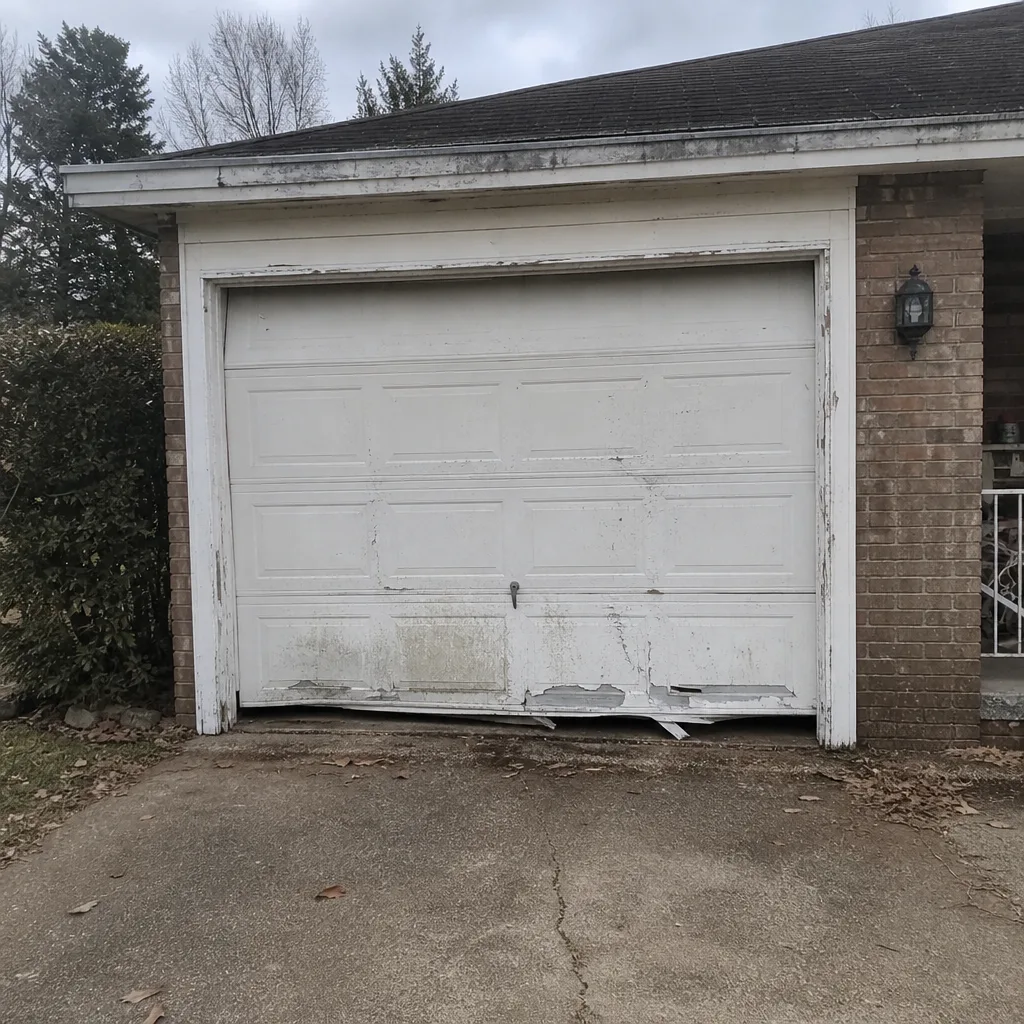 Before
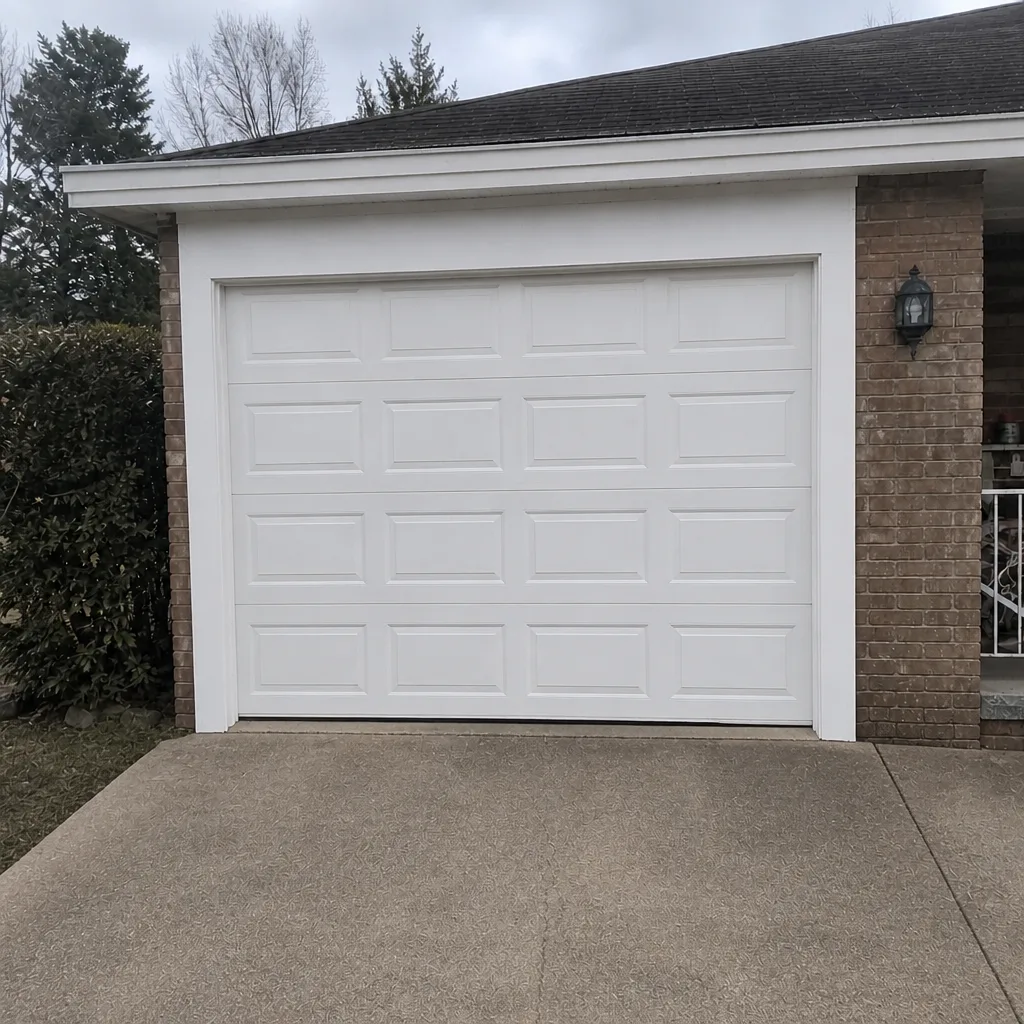 After
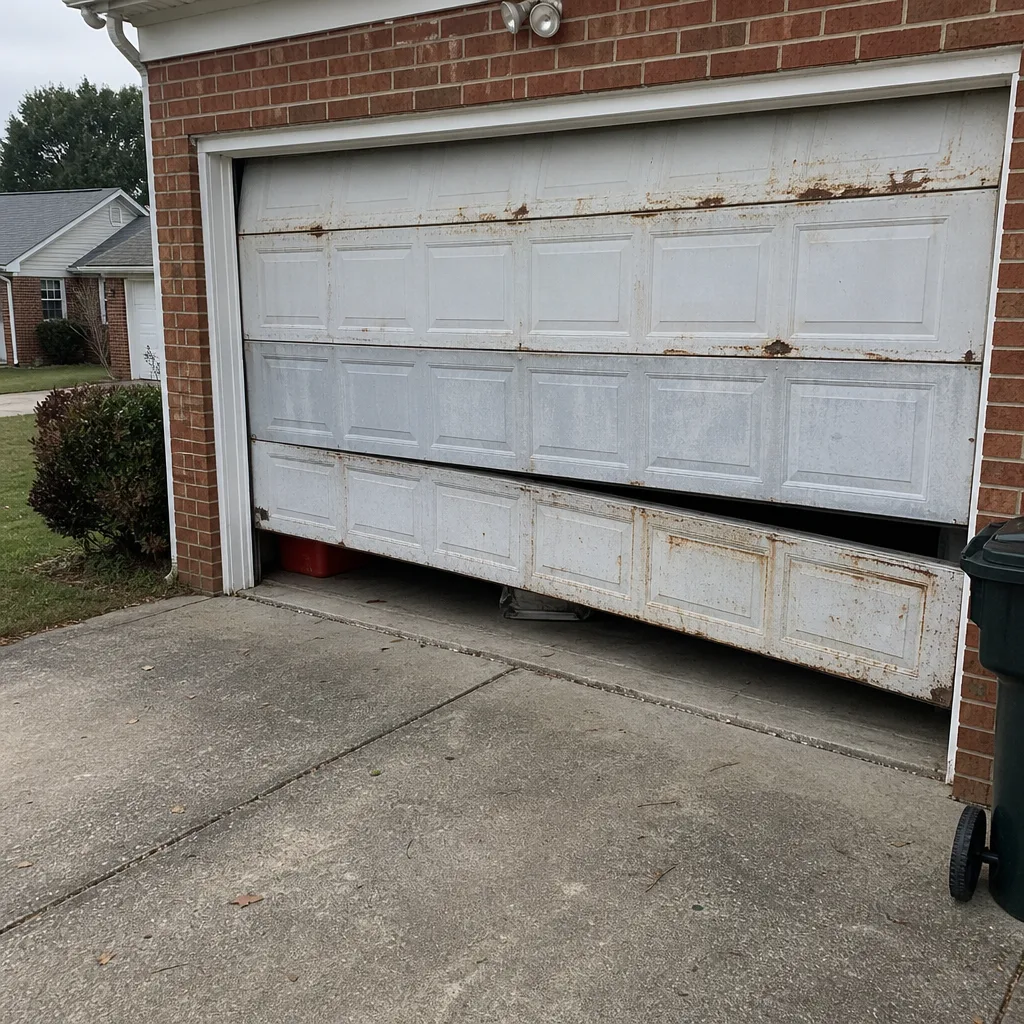 Before
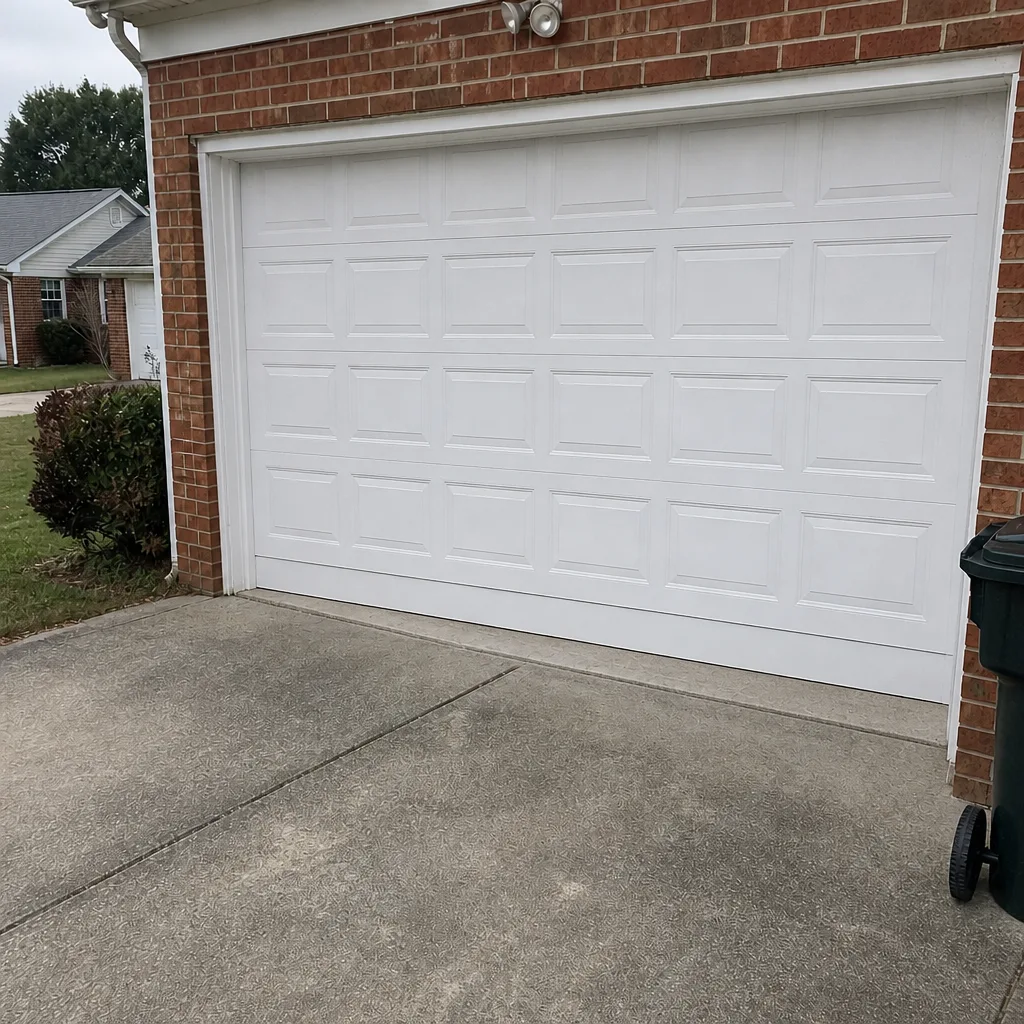 After
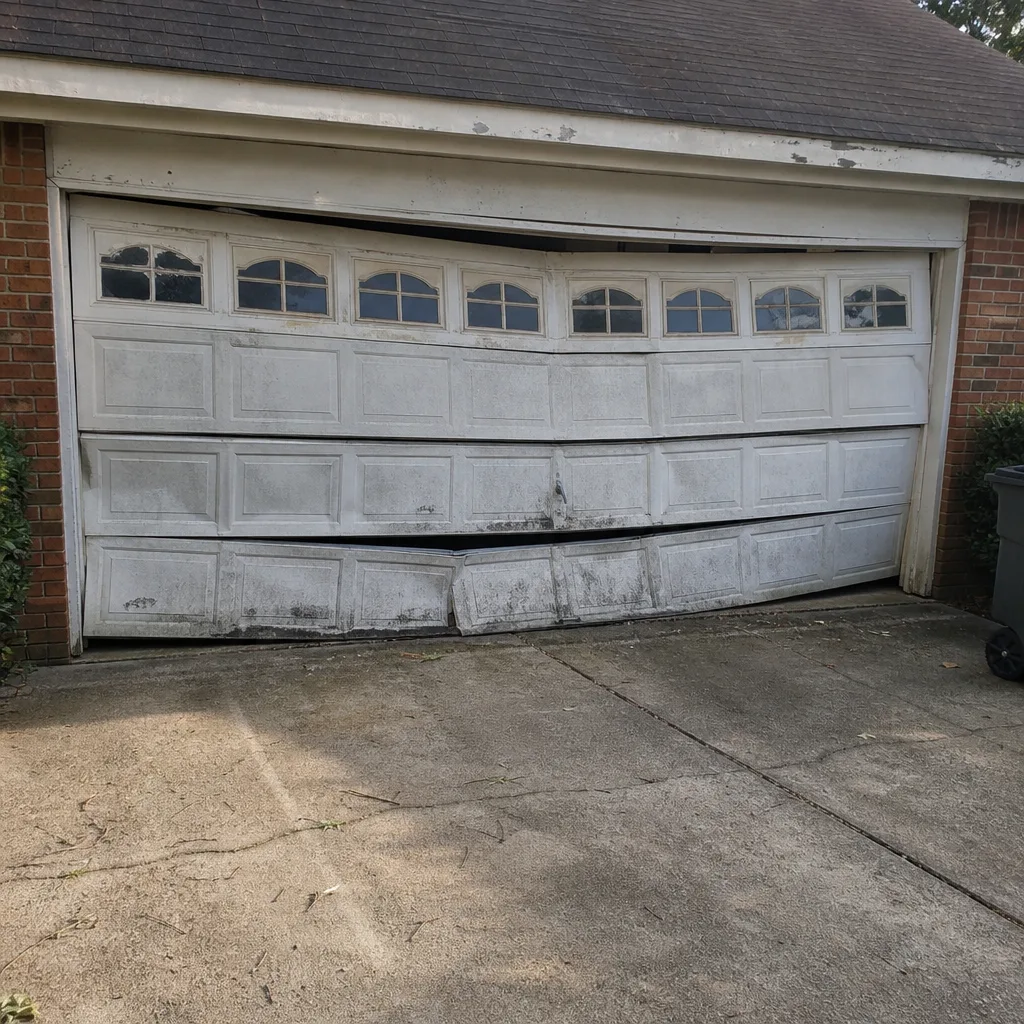 Before
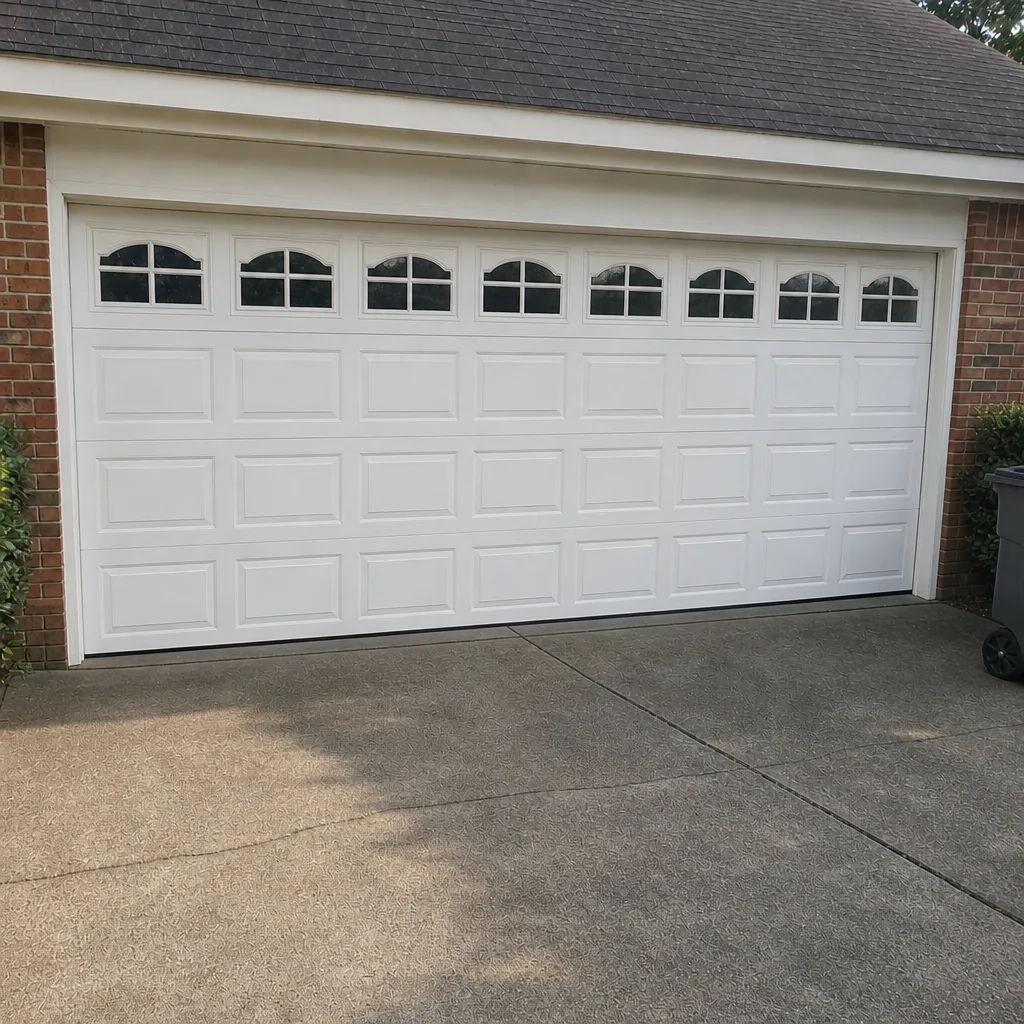 After
When to Call a Professional
Call a technician when you’re dealing with a broken or weakened spring, a slipped or frayed cable, a door that’s come off its track, or a door that’s heavy enough that you can’t lift it with one hand. Call for an opener that’s not responding to any input after you’ve checked the outlet, the wall console, and the breaker. Call for a door that won’t close after you’ve cleaned the sensors and checked for obstructions. And call for a door that’s making a new noise you can’t place – the diagnosis is usually simple, and the delay is what turns it into an emergency. We see a lot of Newport News homes where a small symptom went in for two months before failing outright. Newport News Garage Door Repair Co offers free estimates in Newport News – call (855) 633-7752. We can also help with garage door repair when you’ve done the triage and know the category but not the fix.
Frequently Asked Questions
No, you should not. Garage door springs are under extreme tension and can cause serious injury if handled without training. A torsion spring above the door and an extension spring along the track both require specific tools and a safety protocol to release tension safely. Call a technician. Springs aren’t a DIY fix, and we won’t pretend otherwise.
There are three likely causes: obstructed or dirty safety sensors, a force setting that’s too sensitive, or a mechanical bind in the track. Clean the sensor lenses first, then check the sensor alignment. If the reversal continues, the door is likely binding or the opener’s force limit needs adjustment. A two-minute video and a phone call will point you to the right fix faster than trial and error.
Most repairs fall in a typical range of $150 to $450 depending on the part and the category of failure, with spring replacements and opener logic board repairs toward the higher end. The written estimate sets the final price, and we quote before any work begins. Call (855) 633-7752 for an exact quote – estimates are free.
For repair and emergency topics, yes – we offer same-day service and emergency garage door service for situations that can’t wait, including doors that won’t close and doors that have come off their tracks. Call (855) 633-7752 and describe the problem; a video helps us dispatch with the right parts. For full door replacements, we schedule a measure and estimate rather than a same-day visit.
The opener is usually repairable. Logic board failures, gear stripping, worn trolley carriages, and remote pairing issues are all fixable on most modern openers, including LiftMaster, Chamberlain, Genie, and Craftsman models. Replacement makes sense only when the opener is well past its service life or the repair cost rival the price of a new unit. Repair first, replace only when necessary.
Humidity leaves a fine film on the plastic sensor lenses, and combined with garage dust that film scatters the infrared beam between the two sensors. Clean the lenses with a dry cloth twice a year – once before summer and once before fall – and most sensor-related reversals go away. If the sensors are clean and aligned and the door still reverses, the cause is elsewhere. Call (855) 633-7752 if you want a technician to confirm the diagnosis.
The Bottom Line
Troubleshooting your garage door starts with one question: which category is this? Mechanical, electrical, alignment, or operator error. Sort your symptom, run the safe homeowner checks, and never touch a spring under tension. Clean the sensor lenses twice a year in Newport News because the humidity will do its thing whether you plan for it or not. Write down your door and opener brands. Take a two-minute video before you call. And when the door genuinely won’t open, won’t close, or comes off the track, treat it as an emergency and call. The faster you get a specialist out, the smaller the repair. One call covers the door and the opener – and if you’re ready for a replacement rather than a repair, we can help there too. Call (855) 633-7752 for a free estimate.
If you’d like to see the full range of what we handle, start with Newport News Garage Door Repair Co. For opener-specific issues, see garage door opener repair. If your door is beyond repair and you’re weighing a new door, look at garage door installation. Our technicians have up to 9 years of experience diagnosing brand-specific behavior across LiftMaster, Chamberlain, Genie, Clopay, Amarr, Wayne Dalton, Craftsman, and Raynor equipment.
Written by the team at Newport News Garage Door Repair Co.